 Deutsch
 Español
 Français
 العربية
 Română
 Русский
Mummy makeover (post-pregnancy surgery) in Istanbul
Some women choose surgery after pregnancy and breastfeeding to address changes such as loose abdominal skin, separated tummy muscles or a change in breast shape. This page explains what a mummy makeover can include, when to consider it, recovery and the risks of combining operations.
- Operation time Depends on the combination; no standard time
- Hospital stay Depends on the operations in your plan
- Time in Istanbul No flying for 7–10 days; date confirmed at check-up
- Back to work Routine at ~2 weeks; full recovery 6–8 weeks or more
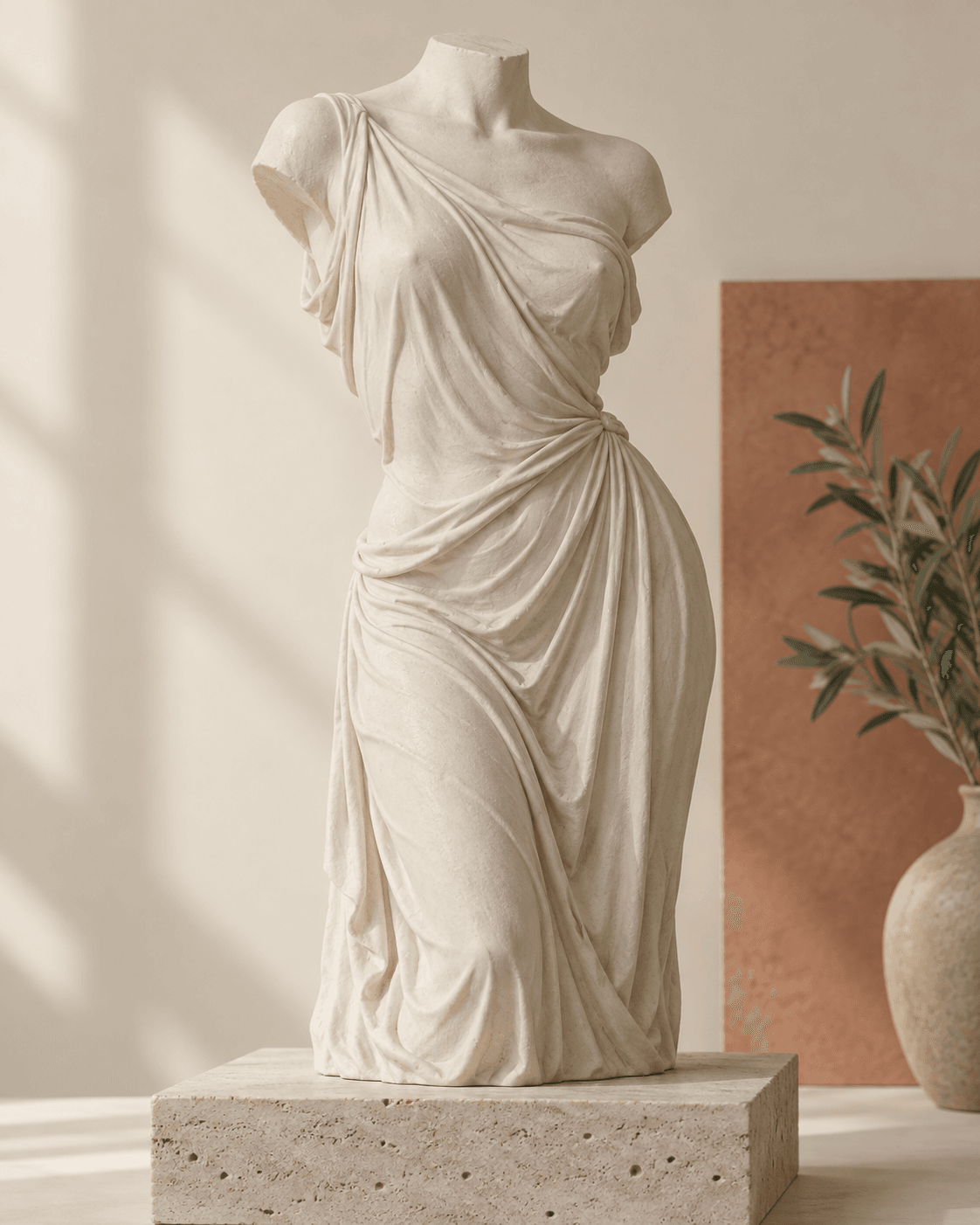
What is a mummy makeover?
A mummy makeover (also called a mommy makeover) is a combination of operations, usually planned for one session, for women who want to change aspects of their abdomen and breasts after pregnancy and breastfeeding. The most common combination is a tummy tuck with a breast lift or breast augmentation, often with liposuction. There is no standard set: each plan is built from your examination, and it is not a weight-loss operation. It is done under general anaesthesia. Many women return to everyday routines after about two weeks, while full recovery after several operations can take 6–8 weeks or longer.
What it can do
- Remove loose skin from the lower abdomen and repair separated tummy muscles
- Lift breasts that have dropped, with or without an implant for volume
- Reduce fat at the waist, flanks or back with liposuction
- Bring several operations into one anaesthetic and one recovery period, when that is judged appropriate for you
What it cannot do
- Replace weight loss: it is planned at or near your goal weight
- Prevent change after a future pregnancy
- Avoid scars: each part of the plan leaves its own
- Be done while you are breastfeeding or in the first months after birth
Is it right for you?
A mummy makeover is a personal choice, and there is no right moment other than the one that suits your health and your family plans. Timing does matter, though, and suitability is confirmed at an in-person examination.
Usually a good fit if
- You have finished having children, or do not plan further pregnancies
- At least six months have passed since giving birth, longer if you have breastfed
- You have stopped breastfeeding and your breasts have had time to settle, which can take 4–6 months
- Your weight is stable and close to your goal
- You are in good general health, do not smoke and have support at home during recovery
- You are choosing this for yourself
Better to wait or consider alternatives if
- Planning another pregnancy: it can undo the result, so waiting is usually wiser
- Still breastfeeding or within a few months of birth, while hormones, weight and breast size are still changing
- Still losing weight, or far from your goal weight
- Smoking, a higher BMI and older age each raise the risk of combined operations; this shapes the plan and may mean staging it
- Feeling under pressure from others: this decision should be yours alone, and there is no deadline
Techniques
A mummy makeover is assembled from separate operations. Which ones, and whether they are done together or in stages, depends on your examination and on keeping the operation to a length that limits risk.

Tummy tuck
Removes loose lower-abdominal skin and, in a full tummy tuck, repairs separated muscles. A caesarean scar can usually be included in the new scar. See tummy tuck.
Best for
Loose skin, an overhang and muscle separation
Breast lift
Removes excess skin and raises and reshapes the breast tissue; the areola can be made smaller. On its own it does not add much volume or fill the upper breast. See breast lift.
Best for
Breasts that have dropped or lost shape
Breast augmentation, or a lift with an implant
An implant adds volume; combined with a lift, it adds upper fullness. Implants are not lifetime devices and may need replacing in future. See breast augmentation.
Best for
Volume loss after breastfeeding
Liposuction
Reduces fat at the waist, flanks or back to refine the contour alongside the tummy tuck.
Best for
Fat that sits out of proportion
Staged plans
When the combination would make the operation long, it can be split into two sessions, for example abdomen and breasts first and other areas later. In one analysis, each extra hour of surgery raised the odds of complications by 21%.
Best for
Extensive plans

Op. Dr. Bilgehan İlker
Specialist in plastic, reconstructive and aesthetic surgery
- Specialist training: Dokuz Eylül University
- Medical degree: Trakya University
- Health tourism authorization: ST-2657
- Dr. İlker speaks English and Turkish.
How Dr. İlker approaches a mummy makeover
Op. Dr. Bilgehan İlker, a specialist in plastic, reconstructive and aesthetic surgery trained at Dokuz Eylül University, starts from the fact that every pregnancy, and every woman's body afterwards, is different. In her words, there is no standard procedure: a plan may include the abdomen but not the breasts.
Combining operations has a practical purpose: one general anaesthetic and one recovery period instead of several. That benefit is weighed against the added risk of a longer operation, and staging is discussed whenever a plan would be long.
- One plan, built from examination There is no set list. The operations are chosen for your body after an in-person examination.
- Timing discussed openly International guidance suggests waiting until breastfeeding has finished, your weight is stable and you do not plan more pregnancies.
- General anaesthesia in hospital Every combination is done under general anaesthesia in a fully equipped hospital; your stay depends on what is combined.
- Recovery with support Plan for help at home: during recovery you should not lift heavy things, including your baby.
The operation, step by step
Each plan is different, and the order of the operations is set by your surgeon. This is a typical outline for a combined operation.
-
Planning and consent
Op. Dr. Bilgehan İlker examines your abdomen and breasts and agrees with you which operations are included. You sign a written consent for each.
-
Marking and anaesthesia
Incision lines are marked while you stand. The operation is done under general anaesthesia.
-
The breast part
A lift, an implant or both, through incisions planned for your breast shape.
-
The abdominal part
The tummy tuck, with muscle repair when needed, and liposuction of nearby areas if planned.
-
Closing and garments
Incisions are closed and drains placed if needed. A supportive bra or elastic bandage goes on for the breasts, and a compression garment for the abdomen, waist and hips.
-
Recovery in hospital
You are monitored as you wake; the length of your stay depends on what was done.
Your days in Istanbul
Because a tummy tuck is usually part of the plan, expect a longer stay than for breast surgery alone. Your surgeon confirms when you can fly, and your dates go in your written plan.

-
Examination and tests
Before surgery
Arrive in time for the in-person examination, blood tests, any breast imaging and the anaesthetic assessment before surgery day.
-
Operation and hospital stay
Surgery day
You stay in hospital for the time your plan requires. An adult should be with you when you leave.
-
Rest and short walks
The first days
Walk slightly bent forward and avoid straining your arms and chest. No sunbathing, swimming or alcohol. If your children are with you, someone else does the lifting.
-
Fit-to-fly check
Before you fly home
The NHS advises waiting 7–10 days before flying after a tummy tuck, usually the most demanding part of the plan. Your wounds are checked before you leave; walk regularly during the flight.
Recovery, day by day
These are typical timings, not promises. Recovery depends on which operations are combined.
- Day 1
In hospital
You are monitored, with pain relief, a supportive bra and an abdominal garment; drains may be in place. Getting up to walk early helps prevent clots.
- Days 2–3
Walking slightly bent
You walk bent slightly forward to protect the tummy tuck, and avoid straining your arms and upper body.
- Week 1
Swelling and checks
Swelling and bruising are at their most noticeable and begin to ease. Wounds are checked, and flying is not advised before 7–10 days.
- Week 2
Around two weeks
Many women are back to everyday routines at around two weeks, the average recovery Op. Dr. Bilgehan İlker describes. Lifting, including your baby, is still off limits.
- Weeks 3–4
Shape emerging
Healing continues for weeks, and as swelling settles the shape of the breasts, abdomen and waist becomes clearer.
- Months 2–3
Back to activity
From about six weeks, most activities and exercise restart, and the abdominal garment is usually no longer needed.
- Month 6
Settling
The breasts settle into their final position over months, and the overall result keeps emerging. Scars continue to fade.
- Month 12
Scars mature
Scars mature over 12–18 months, becoming flatter and paler.
Contact us straight away if you notice
- Sudden breathlessness, chest pain or an unusual heartbeat: seek emergency help
- Pain or swelling in one calf or leg
- Fever above 38 °C, or increasing redness, warmth or discharge from any wound
- One breast becoming much larger, harder or more painful than the other, or the abdomen swelling quickly
- Dark or blackened skin near the nipple, the scar or the belly button
- Pain that does not respond to your medication, or persistent nausea and vomiting
In an emergency, call your local emergency number.
Aftercare at home
- Wear the supportive bra and the abdominal garment as instructed; the abdominal garment is usually worn for about six weeks.
- Do not lift heavy things, including your children, until your surgeon agrees.
- Walk little and often, and follow the clot-prevention measures you are given.
- Keep arm movements gentle at first, and avoid lifting your arms above your head if you are asked to.
- Care for drains and wounds as shown, and avoid rubbing or stretching the incisions.
- Once healed, protect scars from the sun and use silicone gel or sheets if advised.
- Keep up routine breast screening, and tell the radiographer about any implant.
Risks and how they are reduced
Combining operations adds risk, and a mummy makeover is by nature a combination. In a database of 25,478 tummy tucks, major complications occurred in 3.1% when it was done alone, 4.3% with breast surgery and 4.6% with liposuction and breast surgery.
Risk is kept down by good timing, a stable weight, not smoking, a personal clot-risk assessment with early walking, and by limiting the length of the operation, staging an extensive plan rather than doing everything at once. A meta-analysis of 138,020 patients found that combining a tummy tuck with breast surgery had an overall complication rate similar to a tummy tuck alone in selected patients.
| Risk | How often |
|---|---|
Tummy tuck risksSeroma, haematoma, wound-healing problems, numbness and a long scar, as described for the tummy tuck. | Varies |
Blood clotsConfirmed clots occurred in 0.28% of combined body and breast cosmetic operations, against 0.09% across cosmetic surgery overall. | Rare |
Nipple sensation and breastfeedingBreast surgery can change nipple sensation, for a while or long-term, and can affect the ability to breastfeed in future. | Varies |
Implant-related risksIf implants are used: capsular contracture, rupture, rippling, revision surgery and, rarely, BIA-ALCL, a lymphoma linked mainly to textured implants. | Varies |
Scars and asymmetryEach operation leaves scars, and the two breasts or sides of the abdomen can heal slightly differently. | Common |
Return of laxitySkin can loosen again with ageing, weight change or another pregnancy. | Varies |
Results and how long they last
Some change is visible straight away, but swelling, garments and healing hide the final shape for several months. The breasts settle over months, and scars mature over 12–18 months. Results vary from person to person.
Results are long-lasting if your weight stays stable. A later pregnancy can stretch the abdomen and change the breasts again, and natural ageing continues, which is why the operation is usually planned once you have finished having children.
How long it lasts: Long-lasting with a stable weight; another pregnancy or a large weight change can alter it.
With any surgical or interventional procedure, results vary from person to person. We recommend a detailed consultation with your doctor before any procedure.
Before and after
Before and after photos are shared only with patients’ written consent. You can ask to see examples during your consultation.
Before and afterQuestions to ask at your consultation
Take these to any surgeon you see — including us.
- Which operations do you recommend for me, and which could wait?
- Is one session sensible for my plan, or should it be staged?
- How long will the operation take, and how many nights will I stay in hospital?
- If implants are used, which type, and what follow-up will they need?
- How will my clot risk be assessed and reduced?
- How long after breastfeeding should I wait?
- When can I lift my child again?
- Who checks me before I fly, and who do I contact after I get home?
- What is your specialist training, and who will perform each part of the operation?
What shapes your plan and quote
There is no fixed set of operations, so there is no standard quote. After an examination you receive a personal written plan listing each operation recommended and what is covered.
- The number and type of operations in your plan
- Whether implants are used
- One session or a staged plan
- The number of nights in hospital
- Garments, bras, tests and any breast imaging
We do not publish prices: every plan is personal and is written for you after your assessment.
Frequently asked questions
What does a mummy makeover include?
It depends on you. The most common combination is a tummy tuck with a breast lift, breast augmentation or both, often with liposuction. ASPS notes that some plans also involve the waist, buttocks or genital area. Each operation is chosen after an examination, so no two plans need to be the same.
How soon after giving birth can I have a mummy makeover?
ASPS advises waiting at least six months after giving birth, and longer if you are breastfeeding, so that your body has healed, your hormones have settled and you are close to your goal weight. The body can keep changing for up to a year, and some surgeons suggest waiting that long.
Can I have it while I am still breastfeeding?
Breast surgery should wait until breastfeeding has finished. After you stop, the breasts can take 4–6 months to reach their final size and shape, so planning the operation after that gives a more predictable result. Ask how long Op. Dr. Bilgehan İlker recommends in your situation.
Can I have a mummy makeover after a caesarean?
Yes. The same timing applies, with at least six months after the birth. An existing caesarean scar can usually be included within the new tummy tuck scar, so you do not end up with two separate scars across the lower abdomen.
How long does the operation take?
There is no standard time, because it depends on which operations are combined. A tummy tuck alone takes about 2–5 hours according to the NHS. Because risk rises as operations get longer, an extensive plan may be split into two sessions.
How long is recovery, and when can I go back to work?
Many women manage everyday routines after about two weeks, which is the average recovery Dr. İlker describes. Full recovery after several operations can take 6–8 weeks or longer, and most activities and exercise return at around six weeks. Physical work takes longer than desk work.
When can I lift my baby?
Not during the first weeks of recovery: lifting heavy things, including your baby, strains the tummy tuck and breast wounds. Your surgeon tells you at a check-up when you can start again, so arrange help with lifting and carrying before the operation.
Is it riskier to combine operations?
Yes, somewhat. In a large database, major complications rose from 3.1% for a tummy tuck alone to 4.3% when combined with breast surgery. A meta-analysis of carefully selected patients found the overall complication rate similar to a tummy tuck alone. Good selection and limiting operating time matter most.
What happens if I get pregnant again afterwards?
Pregnancy can stretch the abdominal skin and muscle repair again and change the breasts, so part of the result may be lost. That is why a mummy makeover is usually planned once you have finished having children. If you are unsure, it is reasonable to wait.
Will a mummy makeover help me lose weight?
No. It is not a weight-loss operation. It is planned when you are at or near your goal weight, and it changes shape by removing skin and some fat, repairing muscles and reshaping the breasts. Reaching a stable weight first gives a more lasting result.
Do I need breast surgery too, or just a tummy tuck?
Only if the breasts are part of what you want to change. If what you would like to change is limited to the abdomen, a tummy tuck on its own may be enough. If the breasts have also lost volume or dropped, both can be combined under one anaesthetic.
Is vaginal surgery part of a mummy makeover?
It can be part of some plans, and whether it suits you is discussed at examination. If you hear about laser or radiofrequency 'vaginal rejuvenation', note that the US FDA warned in 2018 that no energy-based device has been approved or cleared for this purpose.
When can I fly home after a mummy makeover?
The NHS advises waiting 7–10 days before flying after a tummy tuck, which is usually the most demanding part of the plan. Your surgeon confirms your date after checking your wounds. On the flight, walk for 5–10 minutes every hour and drink water.
Can I bring my baby to Istanbul?
You can, but plan for another adult to care for your child, because you cannot lift or carry for several weeks after surgery. Think about sleep, feeding and outings in advance, and keep the first days for rest rather than sightseeing.
Medical informationThe information on this page is general information only. It is not medical advice and does not replace a diagnosis or treatment. Every surgical and interventional procedure carries risks, which will be explained to you in detail during your consultation. Whether this procedure suits you can only be decided after an in-person examination and assessment. We encourage you to also seek independent advice from your own doctor before deciding.
Sources
- ASPS: Mommy makeover
- ASPS: Post-pregnancy plastic surgery, what can you do now and what needs to wait
- ASPS: What women should know about postpartum surgical procedures
- NHS: Tummy tuck (abdominoplasty)
- Winocour et al. Abdominoplasty: risk factors, complication rates and combined procedures (2015)
- Skorochod et al. Combined abdominoplasty and breast surgery, meta-analysis (2026)
- ACOG Committee Opinion 795: Elective female genital cosmetic surgery
- NHS: Cosmetic surgery abroad
A conversation, at your pace.
Would you like to talk through what might suit you, and when?
Send your questions, and photos if you wish. Suitability and timing are confirmed at an in-person examination, and it is worth talking to your own GP as well.

- Nef 22 Ataköy, D Blok, Kat 1, Daire 36, Çobançeşme E-5 Yanyol Cad. No:22, Bakırköy / İstanbul
- Monday to Saturday, 10:00–18:00
- +90 542 280 27 51
- Dr. İlker speaks English and Turkish.
Thank you — your question has reached the clinic.
The team will reply using the contact details you gave. If you would like to talk sooner, continue on WhatsApp — your request is already written for you.
Continue on WhatsApp