 Deutsch
 Español
 Français
 العربية
 Română
 Русский
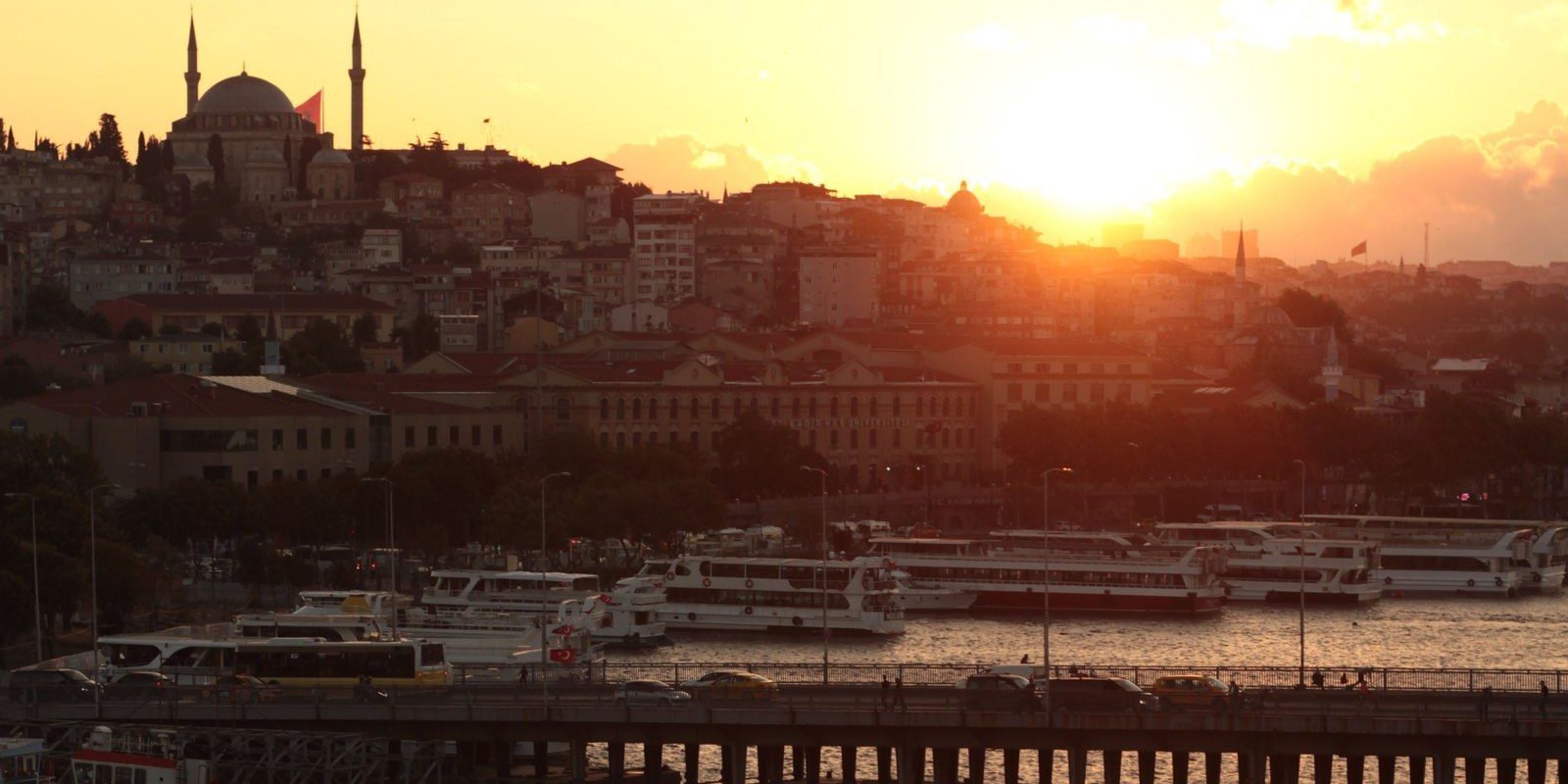
Travelling to Istanbul for surgery
How to plan the trip around your treatment: when to arrive, how long to stay, when it is reasonable to fly home and what to arrange for your recovery. Your own dates are set once your plan is agreed.
Before you book flights
Book travel only once you have a written plan and agreed dates, and choose tickets you can change: your return date is confirmed only after your check-up following surgery.
- Make sure you understand what your plan includes and what it does not, such as flights, accommodation and local transport.
- Ask for the name of the hospital where your operation will take place.
- Talk to your own doctor (GP) before you commit, especially if you have a long-term condition or take regular medicines.
- Give yourself time to think. UK guidance recommends two consultations with your surgeon and a cooling-off period of two weeks before surgery.
- Check your insurance. Standard travel insurance usually does not cover complications of surgery abroad.
- If you smoke or vape nicotine, plan to stop at least four to six weeks before surgery.
When to arrive
Arrive in time for your pre-operative examination and tests, and rested after the flight. For patients whose trip takes around four hours or more, BAAPS, the British Association of Aesthetic Plastic Surgeons, suggests:
- A face-to-face examination at least 48 hours before surgery.
- Arriving at least 72 hours before an operation under general anaesthetic lasting up to about three hours.
- Arriving about a week before a longer or combined operation, or if your risk of blood clots is higher.
- For short procedures under local anaesthetic, no extra time beyond the examination.
Your own arrival date is agreed as part of your plan.
How long to stay
The time you need in Istanbul depends on the procedure, the anaesthetic and how you heal. Each procedure page gives a typical range, for example on breast augmentation, rhinoplasty or tummy tuck. As a broad guide, based on published advice on when to fly:
- Injectable and laser treatments: often a day or two, and a few extra days if you would like a check. Treatments given as a course of sessions may need more than one trip.
- Breast surgery and liposuction: wait 5–7 days before flying (NHS, ASPS and BAPRAS).
- Face surgery and tummy tuck: wait 7–10 days before flying (NHS and ASPS).
- Brazilian butt lift: long periods of sitting are avoided for about two weeks, so plan for around two weeks, or a flight plan your surgeon approves.
- Long or combined operations of more than about three hours: plan at least 10–14 days. BAAPS suggests staying two to four weeks.
Flying home and blood clots
Surgery and long journeys both raise the risk of a blood clot forming in a deep vein of the leg (deep vein thrombosis, DVT), which can travel to the lungs (pulmonary embolism, PE). ASPS warns that together the risk is higher still. Body operations carry more risk than face or breast surgery, and the risk does not end when you leave hospital: in one study of high-risk plastic surgery patients who did not receive blood-thinning medication, more than half of clots were diagnosed between days 15 and 60 after surgery.
Your personal clot risk is assessed before surgery, and preventive measures are planned accordingly. For the trip itself:
- Choose an aisle seat and get up regularly. One surgeon writing for ASPS advises walking for at least 5–10 minutes for every hour you sit.
- Drink water regularly and avoid alcohol.
- Wear compression stockings if you are advised to. BAAPS suggests them for two weeks after operations under general anaesthetic.
- Take any blood-thinning injections or tablets exactly as prescribed, including on travel days.
- Tell Dr. İlker about anything that raises clot risk, such as the contraceptive pill, smoking, being overweight or a previous clot.
The days after surgery
Recovery in Istanbul is for resting, not sightseeing. ASPS advises against sunbathing, alcohol, swimming and snorkelling, long walking or bus tours and exercise after cosmetic surgery. Short, gentle walks are encouraged, because moving helps your circulation.
If you would like to see the city, plan it for the days before surgery, or for another visit.
Where to stay
Unless your written plan says otherwise, you arrange your own accommodation. The practice is in Ataköy, Bakırköy, on the European side of the city. When you choose where to stay, look for:
- A short, simple trip to the practice and to wherever your check-ups take place.
- A lift or a ground-floor room, and a room quiet enough to rest in.
- A bathroom you can manage easily while moving carefully.
- Enough pillows to sleep propped up, if your surgeon advises it.
- Simple meals close by, so you do not need to go far.
- Staff on hand around the clock, especially if you are travelling alone.
If accommodation or transport is offered as part of any package, check who arranges it and make sure it is listed in writing.
Travelling with a companion
If you are having an operation under general anaesthetic, bring someone with you if you can. After a general anaesthetic, someone should take you back to where you are staying and stay with you for the first 24 hours. A companion can also help with meals, medicines, luggage, getting to check-ups and the flight home. For injectable or laser treatments, you may not need a companion at all.
What to pack
- Your passport, insurance documents and a copy of your plan.
- A list of your medicines and doses, and any allergies. Bring your regular medicines in their original packaging, enough for the whole stay plus a few spare days.
- Recent test results or letters from your own doctor, if you have a medical condition.
- For revision surgery: details of your previous operation and, for breast implants, your implant card.
- Loose clothes that fasten at the front and slip-on shoes, so that you do not need to lift your arms or bend after surgery.
- Any compression garment or surgical bra your plan asks you to bring.
- Sunglasses and a wide-brimmed hat after face surgery, and sun protection for healing scars.
- A plug adapter: Türkiye uses European type C and F sockets.
- Phone numbers for the clinic, your companion and your own doctor.
Recovering at home: whom to contact
Recovery continues for weeks or months after you fly home. Before you leave Istanbul, make sure you know:
- How to reach the clinic with questions, and at what times.
- Which symptoms need urgent care where you live, and the local emergency number.
- When stitches, drains or dressings need attention, and who will see to them.
- How your check-ups will happen. BAAPS recommends an early review one to two weeks after surgery and a later assessment between six weeks and six months.
- What would happen if a complication needed treatment, where that treatment would take place and who would pay for it.
Ask for a summary of your operation and your medicines to show your own doctor, register with a doctor at home and tell them about the surgery. If you develop a serious symptom, such as heavy bleeding, a high temperature, breathlessness or chest pain, get local emergency care first, then let the clinic know.
Treatment in Istanbul, Türkiye: what you should know
- Your procedure takes place in Istanbul, Türkiye, in a hospital licensed by the Ministry of Health of Türkiye.
- Before any procedure you have a consultation and medical assessment with Op. Dr. Bilgehan İlker, who performs your operation. Not everyone is a suitable candidate.
- Your written plan states which costs are included. Unless it says otherwise, budget for flights, accommodation and local transport, and for extra nights if your stay needs to be longer.
- Plan your follow-up before you travel: how you will reach the clinic once you are home, how check-ups will happen and what to do if a complication arises.
- We encourage you to discuss your plans with your own doctor at home.
Frequently asked questions
Do I need a visa to travel to Türkiye?
It depends on your nationality. Some visitors can enter without a visa, while others need an e-Visa or a visa issued by a consulate. Check the current rules on the official e-Visa website of the Republic of Türkiye or with your nearest Turkish consulate before you book, and check how long your passport must still be valid.
What if I am not fit to fly on my planned date?
Then you stay until you are. Dr. İlker confirms when you are fit to fly after your check-up, and her advice comes before any ticket. This is why flexible tickets and a few spare days are worth planning from the start. Budget for extra nights of accommodation and a changed flight, in case you need them.
Can I fly home earlier if I feel well?
Feeling well is not the same as being fit to fly. The risk of blood clots after surgery does not depend on how you feel, and published advice is to wait at least 5–7 days after breast surgery or liposuction, and 7–10 days after face surgery or a tummy tuck, before flying. Wait for your check-up and your surgeon's confirmation.
Will my travel insurance cover complications?
Usually not. Standard travel insurance generally excludes complications of planned surgery abroad. Look for specialist cover for medical treatment abroad, read the exclusions carefully and keep the policy details with you. Before surgery, also ask what your written plan says about complications: what would happen, where any further treatment would take place and who would pay for it.
How are check-ups handled once I am home?
Agree this before your operation. BAAPS recommends an early review one to two weeks after surgery and a later assessment between six weeks and six months. Ask how these will happen once you are home, for example by message, by video or with a local doctor, and register with your own doctor so that they can see you if needed.
A conversation, at your pace.
Ask Dr. İlker your first question
There is no obligation and no pressure. Tell us what you are considering and the team will reply with the next steps.

- Nef 22 Ataköy, D Blok, Kat 1, Daire 36, Çobançeşme E-5 Yanyol Cad. No:22, Bakırköy / İstanbul
- Monday to Saturday, 10:00–18:00
- +90 542 280 27 51
- Dr. İlker speaks English and Turkish.
Thank you — your question has reached the clinic.
The team will reply using the contact details you gave. If you would like to talk sooner, continue on WhatsApp — your request is already written for you.
Continue on WhatsApp