 Deutsch
 Español
 Français
 العربية
 Română
 Русский
Buttock implants in Istanbul
For people who want more buttock volume and projection, especially with too little spare fat for a fat transfer. This page compares implants with a BBL and explains the sitting rules, recovery and risks.
- Operation time At least a few hours
- Hospital stay Set in your personal plan
- Time in Istanbul No sitting for 2–3 weeks; plan the flight with surgeon
- Back to work After 2–3 weeks, sitting on a cushion
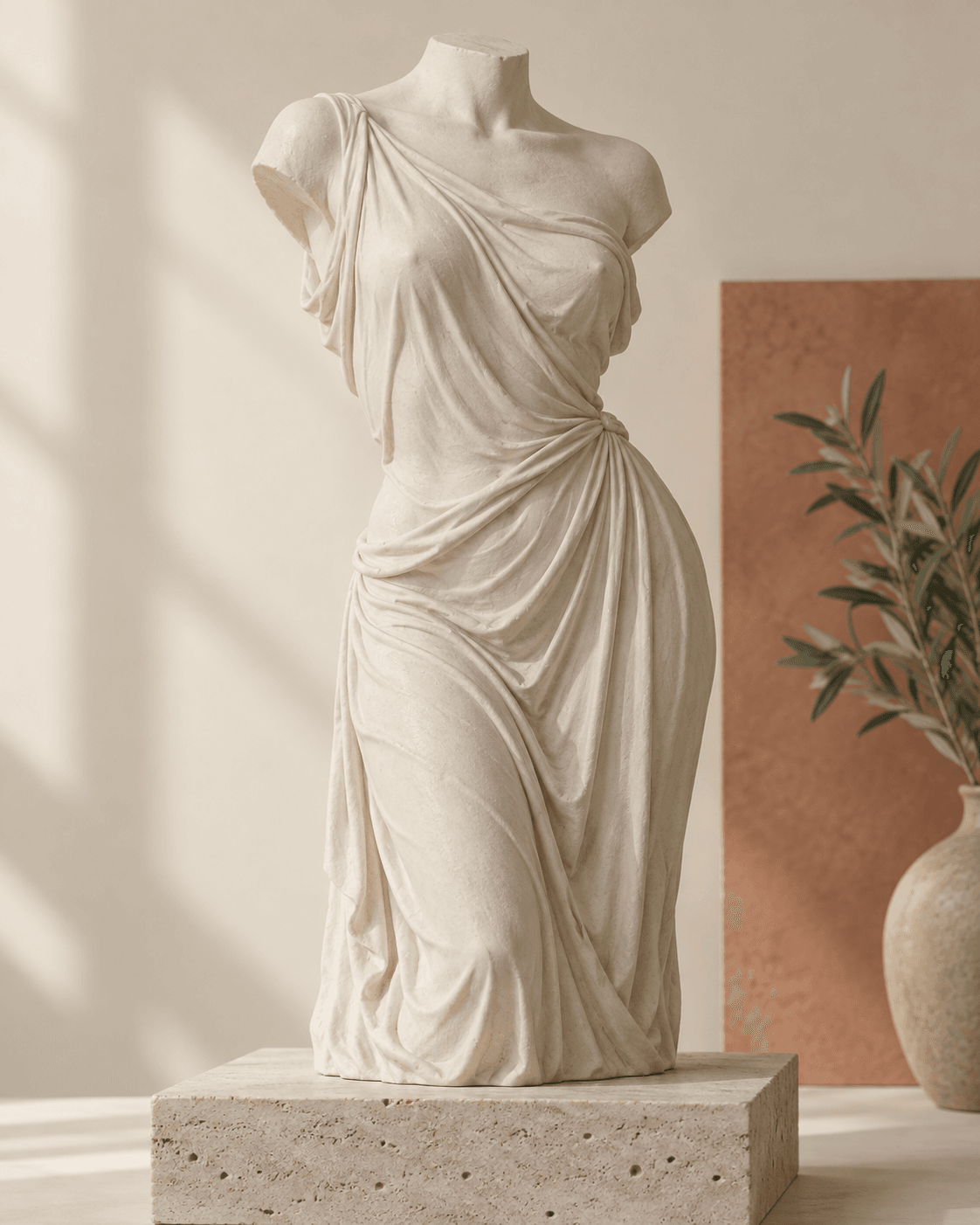
What are buttock implants?
Buttock implants are silicone implants designed for the buttocks and placed deep in the tissues to add volume, roundness and projection. They suit people who want a defined, predictable change or lack enough spare fat for a Brazilian butt lift. The operation takes at least a few hours under general anaesthetic, usually through an incision hidden between the buttocks. Recovery is long: no sitting for 2–3 weeks except for meals and the toilet, and no exercise for 8–10 weeks.
What it can do
- Add volume and projection to flat or small buttocks
- Give a more predictable increase in size than fat transfer, especially in slim people
- Be combined with fat grafting or liposuction to refine the contour
What it cannot do
- Avoid a scar, although the usual incision is hidden between the buttocks
- Always feel like natural tissue: implants can sometimes be felt or seen
- Reduce fat elsewhere; that needs liposuction
Is it right for you?
Buttock implants suit healthy adults with realistic expectations who want more volume than their own fat can provide. Suitability is confirmed at an in-person examination.
Usually a good fit if
- Flat, small or uneven buttocks that you would like to be fuller
- Too little spare body fat for a Brazilian butt lift
- A wish for a defined, predictable increase in size
- Good general health
Better to wait or consider alternatives if
- Smoking that you cannot stop in the weeks before and after surgery
- A condition that impairs wound healing
- Work or travel that makes 2–3 weeks without sitting impossible
- Hoping for a specific look that implants cannot reliably deliver
Techniques
Both the implant layer and its surface affect complication rates. In a 2025 review, smooth implants had fewer problems than textured ones, and the layer just above the muscle (subfascial) had the highest rates of fluid collection and wound breakdown.

Within the muscle (intramuscular)
This layer carries a lower risk of sciatic nerve injury and was the most common choice in a large surgeon survey, but the implant can be more noticeable.
Best for
Most people choosing implants
Beneath the muscle (submuscular)
A deeper position that can look more natural, with more nerve irritation: about 4% had sciatic nerve symptoms in studies combining this layer with fat grafting.
Best for
Selected patients, after discussing the nerve risk
Implant plus fat grafting
The implant gives projection and transferred fat refines the contour around it; this needs enough spare fat and adds liposuction.
Best for
Projection with a softer outline

Op. Dr. Bilgehan İlker
Specialist in plastic, reconstructive and aesthetic surgery
- Specialist training: Dokuz Eylül University
- Medical degree: Trakya University
- Health tourism authorization: ST-2657
- Dr. İlker speaks English and Turkish.
How Dr. İlker approaches buttock implants
Op. Dr. Bilgehan İlker is a specialist in plastic, reconstructive and aesthetic surgery. For buttock shaping she has written that fat transfer is the technique most used, and that implants are an alternative that does not suit everyone, so the consultation compares both for your body.
If implants fit better, the plan covers the layer, the incision and how you will manage weeks of limited sitting, including the flight home. Nothing is decided before an in-person examination.
- Fat transfer considered first Your spare fat is assessed before implants are recommended.
- Examination in person Shape, skin, fat reserves and health are examined before any decision.
- Recovery planned around sitting Work, travel and daily life are planned around 2–3 weeks without sitting.
The operation, step by step
A typical sequence on the day of surgery:
-
Final check and marking
Your plan is confirmed, and the implant position and incision are marked.
-
General anaesthetic
Buttock implants are usually placed under general anaesthetic.
-
Incision
Usually in the crease between the buttocks, where it is hidden; alternatives are the lower buttock fold or the upper sides.
-
Placing the implant
A pocket is made in the chosen layer and the implant placed. The operation takes at least a few hours.
-
Closure
The tissues are closed in layers, drains are placed and a compression garment is fitted.
Your days in Istanbul
There is no specific flight day after buttock implants in the guidance we follow, but you should not sit for 2–3 weeks except for meals and the toilet, so your return is planned with your surgeon.

-
Examination and tests
Before surgery
Arrive early enough for the in-person examination, blood tests and anaesthetic assessment.
-
No sitting, no lying on your back
The first weeks
Lie on your front or side, and stand or walk instead of sitting. No showering for the first 48 hours.
-
Check-up and seating plan
Before you fly home
Your surgeon checks the wounds and agrees the flight date. Ask how to sit on board, and walk whenever you can.
Recovery, day by day
Recovery after buttock implants is long. These milestones are typical, not promises.
- Day 1
Monitored after anaesthesia
Drains and a compression garment are in place; lie on your front or side, not your back.
- Days 2–3
Pain and no sitting
Pain is expected and treated. No shower for 48 hours; sit only for meals and the toilet.
- Week 1
Wound care
Drains and wounds are checked; wound separation is the most common problem, so follow wound-care advice closely.
- Week 2
Still not sitting
The no-sitting rule usually lasts 2–3 weeks. Keep walking regularly.
- Weeks 3–4
Work with a cushion
Work is often possible at 2–3 weeks, sitting with a cushion under the backs of your thighs.
- Months 2–3
Cushion, then exercise
Use the cushion for at least 8 weeks. Exercise usually restarts at 8–10 weeks, later after complications.
- Month 6
Final shape
Swelling has settled and the final shape shows, sometimes from 3 months, sometimes nearer 6.
- Month 12
Scars still maturing
The scar keeps fading and flattening for up to 2 years.
Contact us straight away if you notice
- A wound that opens, or fluid leaking from it
- Fever, or increasing redness, heat or pain in a buttock
- One buttock suddenly more swollen, tight or painful than the other
- New numbness or weakness running down the back of a leg
- Calf pain or swelling; for shortness of breath or chest pain, call emergency services
In an emergency, call your local emergency number.
Aftercare at home
- Do not sit for 2–3 weeks except for meals and the toilet, and avoid lying on your back.
- Afterwards, sit with a cushion under the backs of your thighs for at least 8 weeks.
- Wear the compression garment as instructed and look after the drains.
- Do not shower for 48 hours, then keep the incision clean and dry.
- Walk several times a day, and avoid exercise for 8–10 weeks.
Risks and how they are reduced
Buttock implants carry more complications than fat transfer: in a 2016 review, about 22% of implant patients had one, against about 10% after fat grafting, although implants avoid the fat-embolism risk linked to BBL. These are literature figures, not one surgeon's results.
Risk is reduced by choosing the implant layer and surface carefully, stopping smoking at least 6 weeks ahead, planning clot prevention around your personal risk and following the sitting and wound-care rules strictly.
| Risk | How often |
|---|---|
Wound breakdownThe most common problem, affecting about 1 in 10 people (9.6%) in the review. | Common |
Fluid collection (seroma)About 5%, and more often with textured implants (7.5% against 2.6% with smooth) and the subfascial layer. | Common |
InfectionAbout 2%; a serious infection may need further surgery. | Common |
Sciatic nerve symptomsTemporary numbness or tingling down the leg in about 1%, more often with implants beneath the muscle. | Varies |
Implant problemsShifting, visible or palpable implants, or a tight scar capsule (about 2% with textured, 0.6% with smooth). About 1% were removed in a 2025 review. | Varies |
Blood clotsBody procedures carry a higher clot risk than face or breast surgery, about 0.2% in a large database, and combining procedures raises it. | Uncommon |
Results and how long they last
The new volume shows straight away, but swelling blurs it at first; the final shape appears once swelling settles, often at 3–6 months. Implants are designed to stay in place with no routine replacement interval, though removal or revision may be needed if a complication develops. Your body still changes with age and weight, and results vary from person to person.
How long it lasts: Implants stay in place long term unless a complication needs revision.
With any surgical or interventional procedure, results vary from person to person. We recommend a detailed consultation with your doctor before any procedure.
Before and after
Before and after photos are shared only with patients’ written consent. You can ask to see examples during your consultation.
Before and afterQuestions to ask at your consultation
Take these to any surgeon you see — including us.
- Would fat transfer, implants or a combination suit my body, and why?
- Which implant layer and surface do you recommend, and what are the trade-offs?
- How long must I avoid sitting, and how should I plan the flight home?
- Where will the operation take place, and how long will I stay in hospital?
- What is the plan if I have a wound problem or infection after I return home?
- What is included in the plan and quote?
What shapes your plan and quote
We do not publish prices. After your assessment you receive a personal written plan that sets out what is included.
- Implant type and size
- Whether fat grafting or liposuction is added
- The length of the operation and the hospital stay
- Compression garments, medicines and check-ups before you fly
We do not publish prices: every plan is personal and is written for you after your assessment.
Frequently asked questions
Buttock implants or BBL: which is better?
Neither suits everyone. With enough spare fat, a Brazilian butt lift is usually the first option and had fewer complications in a review of studies (about 10% against 22% for implants). Implants suit slimmer people or those wanting a more predictable increase in volume.
Are buttock implants safe?
No operation is without risk, and buttock implants have a higher complication rate than fat transfer, mostly wound problems and fluid collections. They do not carry the fat-embolism risk linked to BBL. The implant layer and surface, your health and not smoking all influence your own risk.
How long can I not sit after buttock implants?
Usually 2–3 weeks, except for meals and the toilet. After that, you sit with a cushion under the backs of your thighs for at least 8 weeks, so the pressure stays off the implants. Your surgeon may adjust these times to your operation.
When can I go back to work?
Usually after 2–3 weeks, if you can sit on a cushion under the backs of your thighs or work standing. Physically demanding jobs take longer. Plan your leave around the no-sitting period, and check with your surgeon before you return.
When can I exercise again?
Usually after 8–10 weeks, and later if there were complications. Walking is encouraged from the first day because it helps circulation. Strenuous exercise, and anything that puts pressure on the buttocks, waits until your surgeon has checked how you are healing and agrees.
How long do buttock implants last?
They are intended to stay in place long term, and there is no routine replacement interval in the guidance. If a complication develops, such as infection, shifting or a tight capsule, removal or revision may be needed. About 1% of implants were removed in a 2025 review.
Where is the scar?
Most often in the crease between the buttocks, where it is hidden. Other options are the lower buttock fold, the upper sides of the buttocks or the centre of the lower back. Scars keep maturing for up to 2 years.
Can buttock implants move or be felt?
They can. Shifting, visible edges and being able to feel the implant are known risks, and the layer affects them: implants within the muscle are less likely to irritate the sciatic nerve but may be more noticeable. This trade-off is part of choosing the layer.
How long should I stay in Istanbul?
There is no set flight day in the guidance, but you should avoid sitting for 2–3 weeks, and a flight means hours in a seat. Arrive in time for the examination and tests, plan the stay with your surgeon, and expect the return date to be confirmed after a check-up.
When will I see the final result?
Once the swelling settles, which can take 3–6 months. The new volume shows straight away, but swelling blurs the shape at first, so judge the result later rather than in the first weeks. The scars keep fading and flattening for up to 2 years.
Medical informationThe information on this page is general information only. It is not medical advice and does not replace a diagnosis or treatment. Every surgical and interventional procedure carries risks, which will be explained to you in detail during your consultation. Whether this procedure suits you can only be decided after an in-person examination and assessment. We encourage you to also seek independent advice from your own doctor before deciding.
Sources
- ASPS: Buttock enhancement
- Cleveland Clinic: Butt implants
- Sinno et al. Gluteal augmentation: a systematic review (2016)
- Elsaftawy et al. Implant-based gluteal augmentation complications (2025)
- Mofid et al. Silicone buttock implants: a multicentre survey (2013)
- Elsaftawy et al. Implants combined with fat grafting (2026)
A conversation, at your pace.
Weighing implants against fat transfer?
Send us your questions about shape, recovery or the flight home. A consultation can compare both options for your body.

- Nef 22 Ataköy, D Blok, Kat 1, Daire 36, Çobançeşme E-5 Yanyol Cad. No:22, Bakırköy / İstanbul
- Monday to Saturday, 10:00–18:00
- +90 542 280 27 51
- Dr. İlker speaks English and Turkish.
Thank you — your question has reached the clinic.
The team will reply using the contact details you gave. If you would like to talk sooner, continue on WhatsApp — your request is already written for you.
Continue on WhatsApp