 Deutsch
 Español
 Français
 العربية
 Română
 Русский
Rhinoplasty (nose job) in Istanbul
Rhinoplasty can change the shape of your nose and, when needed, help you breathe more easily. This page covers how it is done, recovery week by week, the risks and what to ask before you decide.
- Operation time Usually 1.5–3 hours
- Hospital stay Usually 1 night
- Time in Istanbul About 7–10 days after surgery
- Back to work 1–2 weeks; many people take 2 weeks off
What is rhinoplasty?
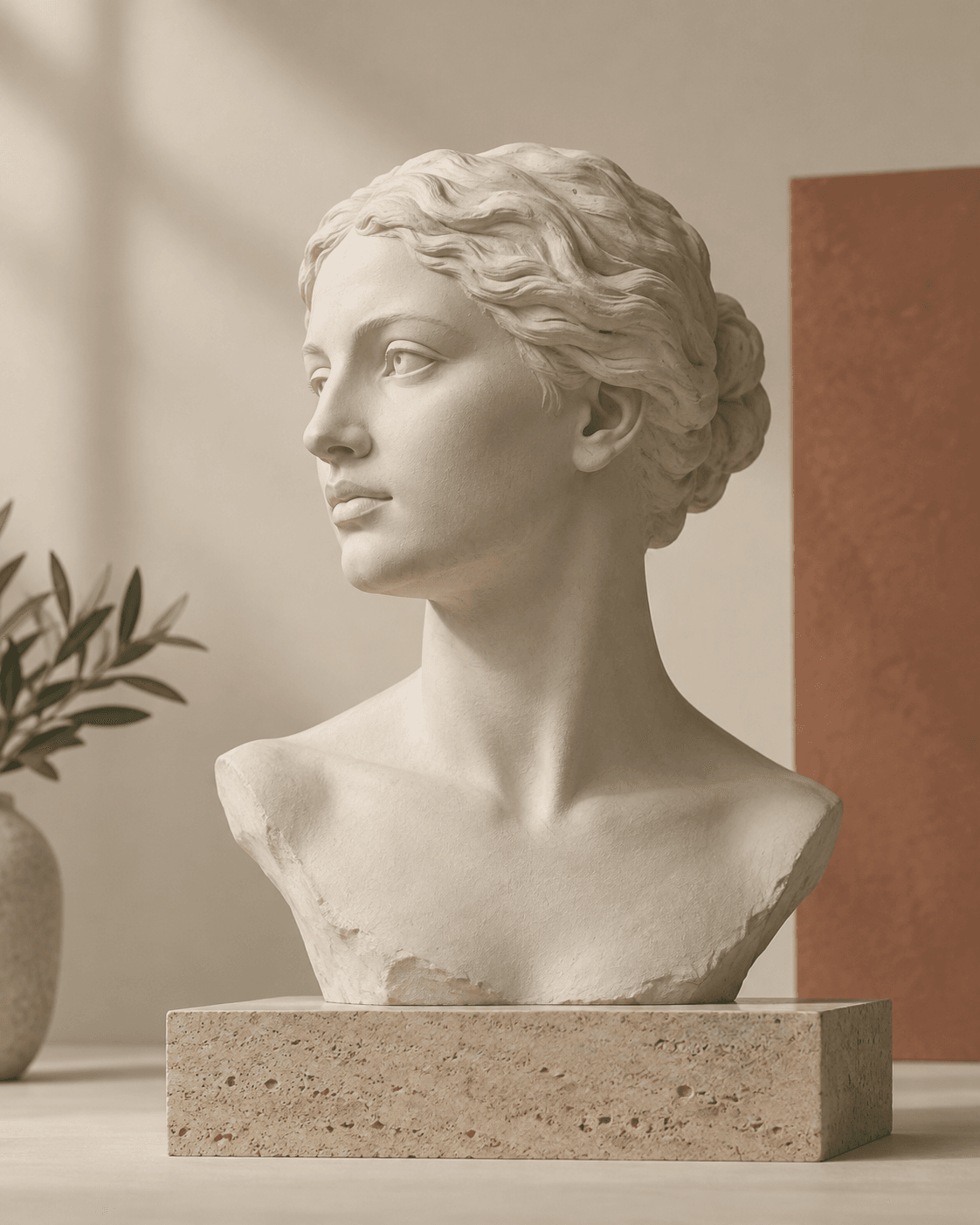
Rhinoplasty is an operation that reshapes the bone and cartilage of the nose. It can lower a hump, refine or lift the tip, narrow the bridge or nostrils and straighten a crooked nose; a bent septum can be corrected at the same time to help breathing. It is usually done under general anaesthesia in 1.5 to 3 hours, through incisions inside the nose (closed) or with one small extra cut between the nostrils (open). A splint stays on for about a week, most people are back at work within 1 to 2 weeks, and the final shape settles over about a year.
What it can do
- Lower a hump on the bridge
- Refine, narrow, lift or support the tip
- Narrow wide nasal bones or nostrils
- Straighten a crooked nose, including after an injury
- Build up a low area with cartilage grafts
- Correct a bent septum to help breathing
What it cannot do
- Give you someone else's nose: your skin, bone and cartilage set the limits
- Show the final result at once: swelling takes months to fade
- Stop your nose changing with age, sun exposure and weight
- Fix worries that are not really about the nose
Is it right for you?
Rhinoplasty suits people with a specific concern, realistic expectations and the right timing. Suitability is always confirmed at an in-person examination.
Usually a good fit if
- You can name what you would like changed: a hump, a wide or drooping tip, wide nostrils or a crooked bridge
- A bent septum or old fracture affects your breathing, and you also want a change in shape
- You are 18 or over and your face has finished growing
- You are in good general health and can stop all nicotine at least 6 weeks before surgery
- You want the change for yourself and can wait a year for the final shape
Better to wait or consider alternatives if
- You are under 18 and the reason is cosmetic
- Your last nose operation was less than a year ago
- You are planning a major weight change or a pregnancy soon
- You cannot stop smoking or vaping for 6 weeks before surgery
- You use cocaine, which damages the nasal lining and can collapse the septum
- You have a bleeding disorder or sleep apnoea, which need extra planning
- You live with intense distress about your appearance (body dysmorphic disorder) or untreated depression; surgery can worsen symptoms, so mental health support comes first
- You expect the operation to change your life or how other people see you
Techniques
Each rhinoplasty combines a few choices: how the framework is reached, how a hump is lowered and how bone is shaped. Op. Dr. Bilgehan İlker describes open and closed surgery as the two basic approaches, with preservation and piezo methods used within them.

Open rhinoplasty
An incision across the columella, the strip of skin between the nostrils, lets the surgeon lift the skin and see the whole framework. This helps with complex tip work and grafts. The fine scar usually fades over 12–18 months.
Best for
Complex tip work, grafts, crooked noses and most revisions
Closed (endonasal) rhinoplasty
All incisions are inside the nostrils, so there is no visible scar, and swelling tends to be milder and shorter-lived. The surgeon works through a narrower view, so it does not suit every nose.
Best for
Noses that need more limited changes
Structural rhinoplasty
The hump is removed, the nasal bones are cut (osteotomy) to narrow or straighten them, and cartilage grafts add support: from the septum first, then the ear, and rarely the rib. It is the standard approach for large humps.
Best for
Large humps, wide or crooked bones and weak support
Preservation rhinoplasty (push-down or let-down)
The bridge is kept intact and lowered as one unit by removing a strip of the septum beneath it. Four randomised trials suggest better patient-reported results than structural surgery, but the evidence is limited and it does not suit every nose.
Best for
Selected noses with a hump
Piezo (ultrasonic) bone work
An ultrasonic instrument cuts and shapes bone instead of conventional chisels. Trials show less swelling, bruising and pain in the first week, though not a shorter overall recovery; some authors think the wider exposure it needs may add swelling.
Best for
Narrowing or straightening the nasal bones

Op. Dr. Bilgehan İlker
Specialist in plastic, reconstructive and aesthetic surgery
- Specialist training: Dokuz Eylül University
- Medical degree: Trakya University
- Health tourism authorization: ST-2657
- Dr. İlker speaks English and Turkish.
How Dr. İlker approaches rhinoplasty
Op. Dr. Bilgehan İlker is a specialist in plastic, reconstructive and aesthetic surgery, trained at Dokuz Eylül University. She writes that rhinoplasty has no standard plan: every nose differs, and so do the operation and the recovery. The aim is a nose in harmony with your face.
She performs rhinoplasty under general anaesthesia in hospital, usually with one night's stay, after a detailed medical history that includes medicines prescribed by other doctors. She wants you to know what to ask before any consultation, which is why this page includes a checklist of questions.
- Shape and breathing together The inside of the nose is examined as well as the outside. A bent septum can be corrected in the same operation, known as septorhinoplasty.
- Open or closed, by anatomy She describes both approaches. The open approach gives the fullest view; the closed approach avoids an outside scar where the nose allows.
- Piezo for bone work Her own pages describe ultrasonic (piezo) instruments for shaping bone. They can reduce early swelling and bruising, though the final shape still takes months.
- Silicone splints, not gauze packing Where the inside of the nose needs support, her pages describe soft silicone splints that are easy to remove, in place of traditional packing.
The operation, step by step
The operation usually takes 1.5–3 hours. A typical sequence:
-
Consultation and planning
Your goals, medical history and medicines are reviewed, the inside and outside of the nose are examined, and standard photographs are taken.
-
Consent and anaesthesia
You go through the plan again, sign the consent forms and are given a general anaesthetic.
-
Incisions
Closed surgery uses incisions inside the nose only; open surgery adds a small one across the columella.
-
Reshaping
As planned, the hump is removed or lowered, the bones are narrowed or straightened, the tip cartilages are shaped, the septum is straightened and grafts are placed.
-
Splinting
Internal stitches dissolve. Tape and a splint go on the outside, with soft silicone splints inside if needed; any packing usually comes out within 24–48 hours.
-
Going home and splint removal
You usually go home after one night. Around day 7 the splint and any external stitches come off, and you see the new shape, still swollen.
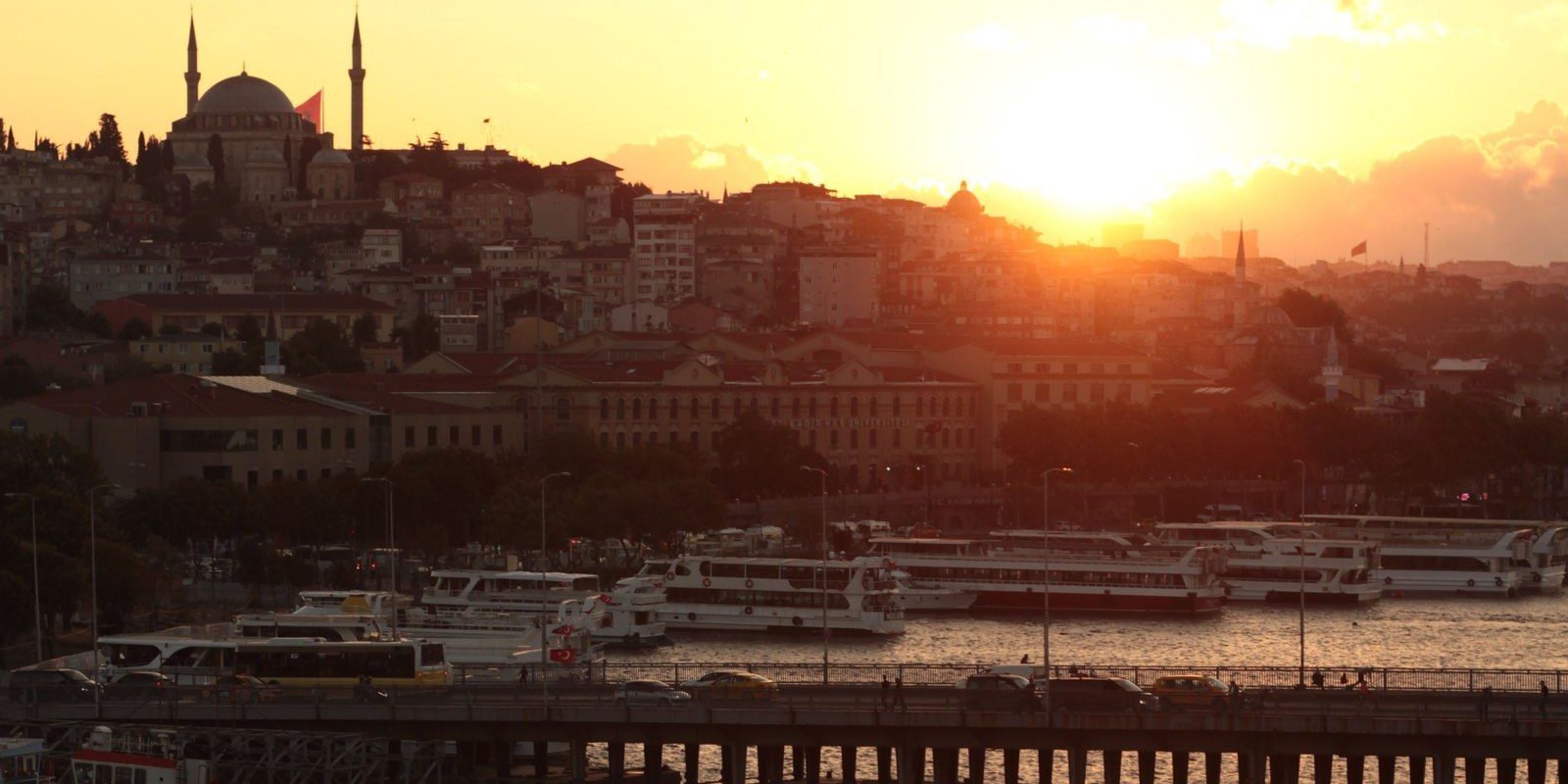
Your days in Istanbul
If you are travelling, plan around three points: an in-person examination before surgery, splint removal about a week later and a check before you fly. These stages are a guide; your own dates go in your written plan.
-
Arrive in time to be examined
Before surgery
Suitability is confirmed in person. If your travel time is four hours or more, UK guidance (BAAPS) suggests arriving at least 72 hours before an operation of this length, with the examination at least 48 hours before surgery.
-
Operation, usually with one night in hospital
Surgery day
Follow the fasting and arrival instructions you are given. Have an adult with you once you leave hospital.
-
Rest with your head raised
The first days
Expect a blocked nose and bruising around the eyes. Stay near your accommodation; ASPS advises against sunbathing, swimming, alcohol and long tours after surgery abroad.
-
Cleared to fly
Before you fly home
ASPS advises waiting 7–10 days after facial surgery before flying, and BAAPS recommends a check by your operating surgeon before you leave. On board, take an aisle seat, drink water and walk regularly.
Recovery, day by day
Typical timings from the medical literature; yours may be quicker or slower. The tip always settles last.
- Day 1
Blocked and tender
You breathe through your mouth, with slight oozing for a day or two. Sleep on your back, head raised, with cold compresses on the cheeks, not the nose.
- Days 2–3
Bruising around the eyes
Swelling and bruising appear. Pain is usually mild to moderate and eases within days. Do not blow your nose; sneeze with your mouth open.
- Week 1
Splint off
Nasal breathing stays difficult for about a week, and bruising lasts 7–10 days. The splint and stitches come off around day 7. Leave crusts alone.
- Week 2
Back to work
Bruising may turn yellow before fading by days 10–20. Most people return to work and light activity; flying is usually possible from days 7–10, and sex after 2 weeks.
- Weeks 3–4
Out and about
Most bruising has gone, but the nose looks swollen for 4–6 weeks. Swimming is usually fine from weeks 3–4. Keep glasses off the bridge until about week 6.
- Months 2–3
Breathing eases
About 90% of the swelling has usually gone by month 3, and treated breathing typically improves by week 6. Contact sport and heavy lifting resume after 4–6 weeks.
- Month 6
Nearly settled
Swelling can take up to 6 months to clear, and mornings may look puffier. Numbness usually fades, though some stiffness at the tip can remain.
- Month 12
The final shape
The shape settles at about a year, sometimes 18 months, and an open-approach scar fades over 12–18 months. Any revision is discussed only after this point.
Contact us straight away if you notice
- Difficulty breathing or shortness of breath
- A nosebleed that does not stop
- Severe or increasing pain despite painkillers
- Fever, or yellow discharge from the nose
- Nausea or vomiting that does not settle
- A painful swelling inside the nose with blockage (a possible septal haematoma, which needs prompt drainage)
- A painful, swollen calf, sudden breathlessness or chest pain (a possible blood clot)
In an emergency, call your local emergency number.
Aftercare at home
- Sleep on your back with your head raised. Op. Dr. Bilgehan İlker advises keeping it above chest level for the first month.
- Put cold compresses on the cheeks and under the eyes, never an ice pack on the nose.
- Do not blow your nose until you are told you can; sneeze with your mouth open.
- Keep the splint dry, shower rather than bathe, and avoid bending, straining and lifting.
- Avoid knocks, and keep glasses off the bridge for about 6 weeks.
- Take only the painkillers your surgeon advises, and protect your nose and any scar from the sun for 12 months.
Risks and how they are reduced
Every operation carries risks. Most problems after rhinoplasty are minor and temporary; a few need treatment or another operation. Frequencies come from the medical literature, not from this clinic.
Risks are reduced by an in-person examination, a full medicines history, stopping nicotine 6 weeks ahead, adjusting blood thinners only with your doctor, surgery in a licensed hospital in Istanbul and clear aftercare. Judging the result only after a year avoids operating on swelling.
| Risk | How often |
|---|---|
Swelling, bruising and blockageExpected in the first weeks, with tightness, numbness, watery eyes and slight early bleeding. Uneven swelling usually evens out. | Common |
A second operationReviews report revisions in up to 15% of patients, often minor, and complications in up to 3%. Figures vary widely between studies and surgeons. | Varies |
Shape problems or dissatisfactionAsymmetry, a remaining hump, fullness above the tip (a 'polly beak') or a dip in the bridge can occur. Dissatisfaction is more likely with depression, anxiety or body dysmorphic disorder. | Uncommon |
Breathing or smell changesBreathing may stay difficult, and smell (sometimes taste) can change. Most changes are temporary, but they can be permanent. | Uncommon |
InfectionOccurs in fewer than 1 in 100 rhinoplasties; toxic shock syndrome is very rare. | Rare |
Bleeding, haematoma or septal perforationSerious bleeding is rare. A blood collection on the septum needs prompt drainage, and a hole in the septum may need repair and cannot always be closed. | Rare |
Visible grafts or lasting stiffnessA graft can show under the skin months or years later, and some stiffness or numbness can be permanent. | Rare |
Anaesthesia and blood clotsGeneral anaesthesia has its own risks. Clots are more likely with smoking, excess weight and the contraceptive pill. | Uncommon |
Results and how long they last
You see the new profile when the splint comes off, though the nose is still swollen. About 90% of the swelling has usually gone by month 3; the rest, mostly at the tip, fades until the shape settles at about a year, occasionally 18 months.
The reshaped framework is long-lasting, but your nose keeps ageing with the rest of your face. Results vary from person to person.
How long it lasts: Long-lasting, though age, sun and weight still change the nose over time.
With any surgical or interventional procedure, results vary from person to person. We recommend a detailed consultation with your doctor before any procedure.
Before and after
Before and after photos are shared only with patients’ written consent. You can ask to see examples during your consultation.
Before and afterQuestions to ask at your consultation
Take these to any surgeon you see — including us.
- What is your specialist training, and how often do you perform rhinoplasty?
- Will you perform the whole operation yourself?
- Which hospital will I be in, and who gives the anaesthetic?
- Do you recommend open or closed surgery for my nose, and why?
- Will I need cartilage grafts, and where would they come from?
- Will you assess and, if needed, treat my breathing?
- What change is realistic for my skin and nose, and which risks matter most in my case?
- What does the written plan include, and whom do I contact after I fly home if there is a problem?
What shapes your plan and quote
We do not publish prices. After Op. Dr. Bilgehan İlker has assessed your case, you receive a personal written plan that states what is included. It depends on:
- Open or closed surgery, and how much tip work is needed
- Whether breathing (septum or turbinates) is treated at the same time
- Whether cartilage grafts are needed, and where they come from
- Operating time and length of hospital stay
- Any combined procedure, such as chin surgery for profile balance
We do not publish prices: every plan is personal and is written for you after your assessment.
Frequently asked questions
Is rhinoplasty permanent?
The change is long-lasting: bone and cartilage that are removed, moved or reinforced stay that way. Your nose still changes slowly with age, sun and weight, like the rest of your face, so in twenty years it will not look exactly as it does a year after surgery.
How long does swelling last after rhinoplasty?
Visible swelling lasts about 4–6 weeks, and around 90% has usually gone by month 3. The rest, mostly at the tip, fades over the following months; the final shape settles at about a year, sometimes 18 months. Puffier mornings are normal in the meantime.
Is rhinoplasty painful?
Most people describe mild to moderate pain that eases within a few days to a week, and simple painkillers are often enough. A blocked nose and breathing through your mouth are normal in the first week. Pain that keeps increasing is not, and should be reported.
When can I sleep on my side after rhinoplasty?
Not in the first weeks. Sleep on your back with your head raised: Op. Dr. Bilgehan İlker advises keeping your head above chest level for the first month. When you can turn onto your side depends on how you are healing, so ask at your check-up.
When can I wear glasses after rhinoplasty?
Plan on about 6 weeks before glasses or sunglasses rest on the bridge of your nose again, because pressure on the healing bridge should be avoided. If you rely on glasses, mention it at your consultation so you can plan ahead, for example with contact lenses.
How long should I take off work after rhinoplasty?
Most people return to work after 1–2 weeks, and BAAPS notes that most patients take at least 2 weeks off. Bruising can take 10–20 days to fade, so allow longer for a public-facing or physical job. Heavy lifting and contact sport wait until 4–6 weeks.
Can rhinoplasty improve my breathing?
Yes, if the blockage comes from a bent septum or another internal narrowing that is corrected during the operation. Your nose will feel blocked in the first week, and most people breathe more easily by about week 6. Mention any blockage at your consultation.
Will rhinoplasty leave a scar?
Closed rhinoplasty leaves no visible scar, because every incision is inside the nose. Open rhinoplasty leaves a fine scar across the skin between the nostrils, which usually fades over 12–18 months. Narrowing the nostrils adds small scars hidden in the natural creases.
What is the right age for rhinoplasty?
The nose usually stops growing at around 15 in girls and 17 in boys. Dr. İlker performs cosmetic rhinoplasty from the age of 18; surgery after an injury is considered individually. At any age, good general health and realistic expectations matter most.
How long should I stay in Istanbul for rhinoplasty, and when can I fly?
Plan on about 7–10 days after surgery, which covers splint removal around day 7 and a check before you leave. ASPS advises waiting 7–10 days after facial surgery before flying. BAAPS suggests arriving at least 72 hours before surgery so you can be examined in person first.
Does piezo (ultrasonic) rhinoplasty mean less swelling?
In the first week, probably: a meta-analysis of randomised trials found less early swelling, bruising and pain with piezo instruments. It does not remove the months of gradual swelling at the tip and is not superior for every nose. Dr. İlker can explain whether it suits your bone work.
What if I am not happy with my rhinoplasty?
Give it time: swelling hides the final shape for months, so a second operation is usually considered only after at least a year. Reviews report further surgery in up to 15% of patients, often minor. A revision rhinoplasty is more complex than a first operation.
Medical informationThe information on this page is general information only. It is not medical advice and does not replace a diagnosis or treatment. Every surgical and interventional procedure carries risks, which will be explained to you in detail during your consultation. Whether this procedure suits you can only be decided after an in-person examination and assessment. We encourage you to also seek independent advice from your own doctor before deciding.
Sources
- ASPS: Rhinoplasty
- NHS: Nose reshaping (rhinoplasty)
- BAAPS: Rhinoplasty
- Cleveland Clinic: Rhinoplasty
- StatPearls: Rhinoplasty (2024)
- Armanfar et al. Piezo versus conventional rhinoplasty, meta-analysis (2026)
- Shim et al. Preservation versus structural rhinoplasty, meta-analysis (2025)
- ASPS: Cosmetic surgery tourism briefing paper
- BAAPS: Cosmetic tourism guidelines (2023)
A conversation, at your pace.
Would you like an honest opinion on your nose?
Send your questions, and photos if you wish. Op. Dr. Bilgehan İlker will tell you plainly whether rhinoplasty is worth an examination.

- Nef 22 Ataköy, D Blok, Kat 1, Daire 36, Çobançeşme E-5 Yanyol Cad. No:22, Bakırköy / İstanbul
- Monday to Saturday, 10:00–18:00
- +90 542 280 27 51
- Dr. İlker speaks English and Turkish.
Thank you — your question has reached the clinic.
The team will reply using the contact details you gave. If you would like to talk sooner, continue on WhatsApp — your request is already written for you.
Continue on WhatsApp