 Deutsch
 Español
 Français
 العربية
 Română
 Русский
Brazilian butt lift (BBL) in Istanbul
A Brazilian butt lift reshapes the buttocks with your own fat. Because it carries serious risks, this page sets out the safety principles first, then who it suits, recovery, sitting and flying.
- Operation time Depends on the areas treated; confirmed in your plan
- Hospital stay Several hours of monitoring at least; set in your plan
- Time in Istanbul No long sitting for ~2 weeks; flight date set by surgeon
- Back to work 10–14 days, depending on your work
What is a Brazilian butt lift?
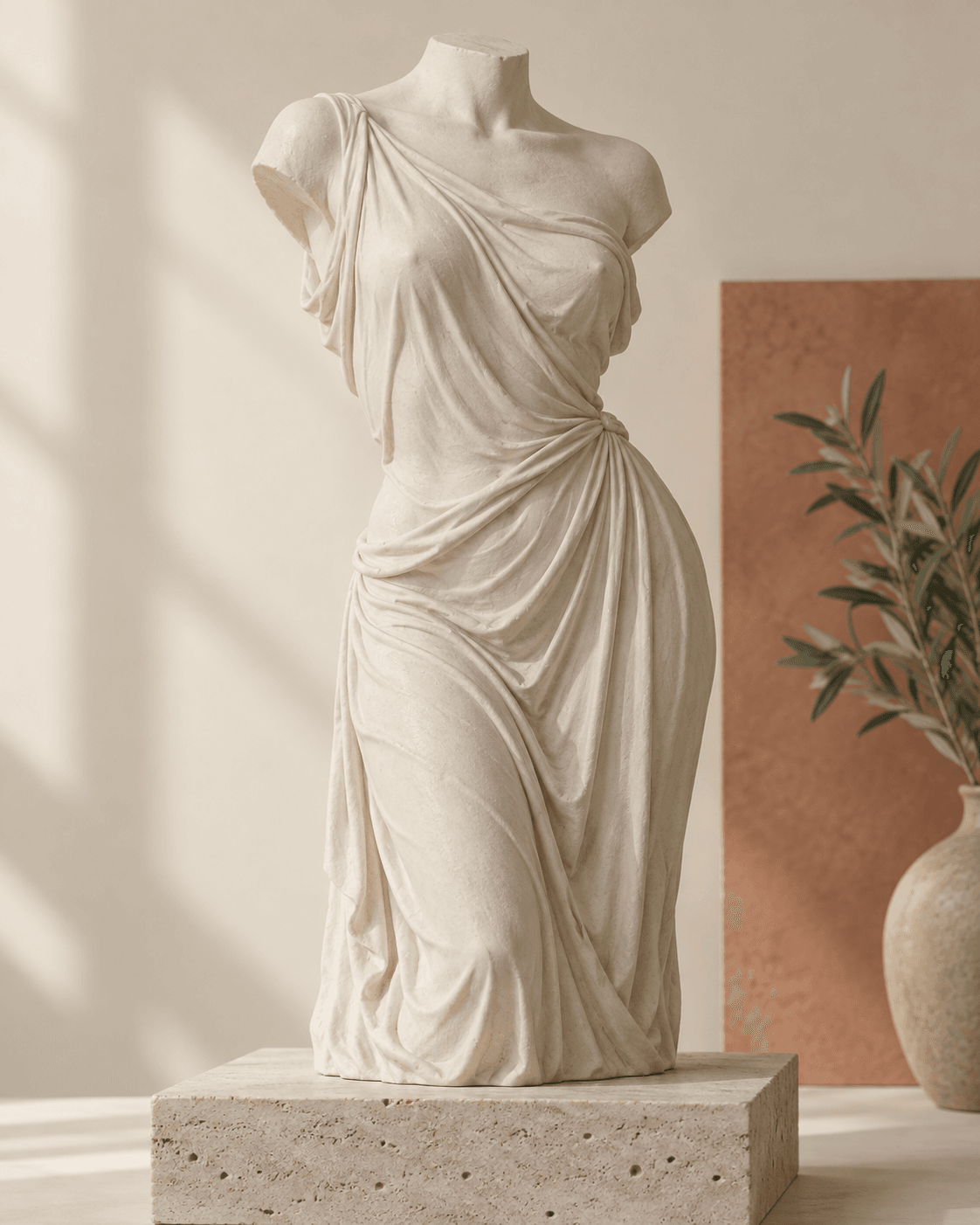
A Brazilian butt lift (BBL) is an operation in which fat is removed by liposuction from areas such as the abdomen, flanks or back, purified, and injected into the buttocks to change their shape and size. Despite the name, it does not lift sagging skin. Its most serious risk, fat entering large veins, is linked to fat placed in or under the muscle, so current standards require fat to go only under the skin, and UK guidance from BAAPS also requires ultrasound during surgery to confirm this. Expect about two weeks without sitting normally, a return to work at 10–14 days and a final result at around a year.
What it can do
- Add volume and projection to the buttocks using your own fat
- Improve the curve between waist and buttocks, as fat is also removed from the flanks and back
- Reduce some differences between the two sides
- Change shape without an implant
What it cannot do
- Lift sagging buttock skin
- Work without enough spare fat to transfer
- Keep all the transferred fat: on average 60–80% survives
- Keep the size independent of your weight
Is it right for you?
A BBL suits healthy adults with realistic expectations and enough fat to spare. International safety guidance asks that every candidate is told about the risk of death before deciding. Suitability is confirmed at an in-person examination.
Usually a good fit if
- You would like fuller, rounder or more even buttocks
- You have enough fat in areas such as the abdomen, flanks, back, thighs, knees or arms to transfer
- Your weight is stable, since weight changes alter the result
- You are in good general health and do not smoke
- You understand the risks, including the risk of death, and the sitting restrictions afterwards
Better to wait or consider alternatives if
- Very slim, without enough spare fat: buttock implants or another approach may suit you better
- A higher BMI: in a forensic study of deaths after liposuction in Istanbul, higher BMI was one of the major risk factors, so reaching a lower, stable weight first is usually wiser
- Smoking, which raises the risk of infection and poor healing
- Hoping for a very large increase in one session: if more fat is needed than the space under the skin can take, a second session is advised rather than deeper injection
- Feeling unsure, or doing it for someone else: it is fine to take your time
- Fat transfer is for adults over 18
Techniques
The main danger specific to a BBL is fat embolism: fat injected into or under the buttock muscle can enter large veins and travel to the heart and lungs. The rules below exist to prevent that, and they apply to every BBL.

Fat only under the skin
Fat is placed only in the layer under the skin, never into or beneath the muscle. In autopsies after BBL deaths, fat was found in or under the muscle; no death has been reported where fat was found only under the skin. In the UK, BAAPS calls the procedure superficial gluteal lipofilling to stress this.
Best for
Every BBL, without exception
Ultrasound guidance
BAAPS guidance requires ultrasound during surgery to confirm that the cannula tip stays under the skin, and Florida law makes such guidance mandatory. In a meta-analysis of 22,151 patients, ultrasound-guided fat grafting had fewer major complications (0.02% versus 0.08%); most evidence comes from uncontrolled series, so it lowers risk without removing it.
Best for
Confirming the cannula's position throughout the injection
Cannula control and staging
Safety advisories call for a rigid cannula of at least 4 mm, entry points that keep it shallow, no downward angling, the surgeon's other hand feeling its position, and fat injected only while the cannula is moving. If more volume is wanted than fits under the skin, the procedure is staged.
Best for
Larger changes, spread across sessions

Op. Dr. Bilgehan İlker
Specialist in plastic, reconstructive and aesthetic surgery
- Specialist training: Dokuz Eylül University
- Medical degree: Trakya University
- Health tourism authorization: ST-2657
- Dr. İlker speaks English and Turkish.
How Dr. İlker approaches a Brazilian butt lift
Op. Dr. Bilgehan İlker, a specialist in plastic, reconstructive and aesthetic surgery trained at Dokuz Eylül University, describes fat transfer as making use of what your body already has: fat from areas such as the abdomen, back, arms, legs and knees reshapes the buttocks. Because it is your own tissue, an allergic reaction is not expected, and a body with regional fat deposits is well suited to it.
In her practice, fat transfer is always done in an operating theatre, under general anaesthesia when larger amounts are moved. The consultation covers the risks openly, including the risk of death, the amount of fat and whether staging is wiser, as the international safety advisory asks of every surgeon.
- Your own fat No implant: the shape comes from fat moved from where you have it to spare.
- Operating theatre only Fat transfer is treated as surgery, never as an office procedure.
- Risks discussed before you decide Mortality figures, sitting restrictions and how much fat can be moved are covered at consultation.
- Examination in person Donor areas, skin and buttock shape are examined before any plan is agreed.
The operation, step by step
A BBL has two parts, liposuction and fat transfer, carried out in one operation.
-
Marking and consent
Donor areas and the planned shape are marked. Risks, volume and the possibility of staging are confirmed in your written consent.
-
Anaesthesia
Usually general anaesthesia; intravenous sedation is sometimes used.
-
Liposuction
Fat is removed through small incisions from donor areas such as the abdomen, flanks, back, thighs or arms, as in liposuction.
-
Preparing the fat
The collected fat is processed to separate it from fluid and blood.
-
Injection under the skin
The fat is injected in many small passes, only into the layer under the skin, with the cannula always moving. Typically 300–500 ml goes into each side.
-
Garment and observation
A compression garment goes on over the liposuction areas, and you are observed for several hours.
Your days in Istanbul
With a BBL, the limit on travel is sitting rather than the wounds: the flight home means hours in a seat. Your surgeon sets your flight date at a check-up, and your dates go in your written plan.

-
Examination and safety discussion
Before surgery
Arrive in time for the in-person examination, tests and anaesthetic assessment. Florida law requires the surgeon to examine the patient face to face at least the day before surgery, a useful benchmark wherever you have it done.
-
Operation and observation
Surgery day
After several hours of observation you leave in a garment with an adult to stay with you. You lie face down or on your side.
-
Standing and walking, not sitting
The first days
The first days are usually the most painful. Stand and walk; sit only when you must, with a cushion under the backs of your thighs. No sunbathing, swimming or alcohol.
-
Planning the flight
Before you fly home
There is no official day count for flying after a BBL, but ASPS advises avoiding long sitting for about two weeks. On board, walk for 5–10 minutes every hour, use a cushion and drink water.
Recovery, day by day
These are typical timings, not promises; your surgeon may give you different sitting rules.
- Day 1
Face down or on your side
You are monitored for several hours, wear a garment and lie face down or on your side. Sudden breathlessness, chest pain or an unusual heartbeat need emergency help.
- Days 2–3
The sorest days
Pain is usually at its worst. Stand and walk regularly, and do not sit on your buttocks.
- Week 1
Easing
Pain starts to ease; bruising and swelling remain.
- Week 2
Stitches out, back to work
Stitches come out at 1–2 weeks. Many return to work at 10–14 days, standing if possible, and short sitting on a cushion may be allowed.
- Weeks 3–4
Short sitting on a cushion
Brief sitting on a BBL cushion. No heavy lifting or strenuous activity for the first month.
- Months 2–3
Sitting normally again
Sitting without a cushion usually waits until about eight weeks. Exercise returns at 6–8 weeks, and the body recovers over 2–3 months.
- Month 6
Shape settling
Tissues settle over 3–6 months, and full recovery can take up to six months.
- Month 12
Final result
At about a year, once the surviving fat has settled, you see the final shape. Incision scars keep maturing for up to two years.
Contact us straight away if you notice
- Shortness of breath, chest pain or an unusual heartbeat, especially in the first hours and days: call emergency services immediately
- Pain, swelling or warmth in one calf or leg
- Fever, spreading redness, or a buttock that becomes hot, hard and very painful
- Skin on the buttocks or donor areas turning dark or blistering, or a wound that discharges
- A swelling that grows quickly
In an emergency, call your local emergency number.
Aftercare at home
- Wear the support garment day and night as instructed.
- Sleep face down or on your side until your surgeon says otherwise.
- When you must sit, put a cushion under the backs of your thighs so the buttocks take no weight.
- Walk regularly; on long trips, stand and move every hour.
- Your surgeon may recommend lymphatic massage by a qualified therapist; evidence for its benefit is limited.
- Once healed, keep your weight stable; buttock exercises such as squats and lunges can help maintain the shape.
Risks and how they are reduced
Historically, the BBL has carried the highest risk of death of any cosmetic operation. These figures explain why the safety rules exist; they are not meant to alarm you, and they should be discussed with you before you decide.
The safety rules are fat only under the skin, ultrasound confirmation of the cannula's position (required by BAAPS), a rigid cannula of at least 4 mm, injection only while the cannula moves, staging rather than deeper injection, a personal clot-risk assessment and limits on combined operations. Ultrasound-guided series of 6,235 patients reported no deaths or fat embolism, but most evidence is uncontrolled. These measures lower the risk; they do not remove it.
| Risk | How often |
|---|---|
Fat embolism and deathA 2017 survey of 692 surgeons covering 198,857 BBLs recorded 32 fatal and 103 non-fatal fat emboli, more often where fat went deep into muscle; the multi-society advisory estimated a death rate of about 1 in 3,000. After the rules spread, estimated mortality fell to about 1 in 15,000 (2019), similar to a tummy tuck. | Rare |
Fat embolism: continuing concernsA 2022 South Florida report found BBL deaths rose again after 2019, mostly in high-volume, low-cost clinics. A 2025 forensic study of 35 deaths after liposuction in Istanbul found buttock fat transfer in 54.3%, and all five patients who deteriorated during surgery had buttock injections. | Rare |
Blood clotsClots in the legs or lungs. Body procedures carry a much higher clot risk than face or breast surgery; long sitting, including on a flight, and combining a BBL with other operations such as a tummy tuck add to it. | Rare |
Fat loss and asymmetryOn average 60–80% of the transferred fat survives; some people keep more and some less, and the two sides can differ. A further session is sometimes needed. | Common |
Seroma, contour irregularity and infectionIn a meta-analysis of 22,151 patients, minor complications occurred in 3.58%, including seroma in 2.03% and contour irregularity in 2.29%. An earlier review reported infection in 2.0%. | Uncommon |
Fat necrosis, pain and nerve symptomsSome grafted fat can die and form firm lumps. Pain, including sciatic-type pain, and changes in sensation can occur and may persist. | Uncommon |
Results and how long they last
Your buttocks look larger straight after surgery, partly from swelling and partly because some of the fat will not survive. Tissues settle over 3–6 months, and the final shape is clear at about a year. Results vary from person to person.
The fat that survives behaves like the rest of your fat: it grows if you gain weight and shrinks if you lose it. Some firmness is lost with age, but most of the improvement remains.
How long it lasts: Long-lasting for the fat that survives; changes in weight alter the size.
With any surgical or interventional procedure, results vary from person to person. We recommend a detailed consultation with your doctor before any procedure.
Before and after
Before and after photos are shared only with patients’ written consent. You can ask to see examples during your consultation.
Before and afterQuestions to ask at your consultation
Take these to any surgeon you see — including us.
- Will the fat be placed only under the skin, and how will you confirm the cannula's position during surgery?
- Will ultrasound guidance be used throughout the injection?
- How much fat do you plan to transfer to each side, and what happens if I want more?
- Who will perform the liposuction and the fat injection?
- Which hospital, and how long will I be monitored?
- How will my clot risk be assessed and reduced?
- When can I sit, and when can I fly?
- Who do I contact after I return home?
- What is your specialist training?
What shapes your plan and quote
Prices are not published. After an examination you receive a personal written plan that sets out what is recommended and what it covers.
- The number of donor areas and the volume of fat moved
- One session or a staged plan
- The type of anaesthesia and the length of monitoring
- Garments, a BBL cushion and the length of your stay in Istanbul
We do not publish prices: every plan is personal and is written for you after your assessment.
Frequently asked questions
What is the risk of dying from a BBL?
It is small but real. A 2017 estimate put it at about 1 in 3,000, the highest of any cosmetic operation; after rules limiting fat to the layer under the skin spread, estimates fell to about 1 in 15,000 by 2019. Deaths are linked to fat placed in or under the muscle.
What does an ultrasound-guided BBL mean?
It means the surgeon uses ultrasound during the operation to see, in real time, that the cannula tip stays in the layer under the skin. BAAPS requires it and Florida law mandates it. Evidence is encouraging but mostly from uncontrolled series, so ask whether it will be used for you.
How long can't I sit after a BBL?
Avoid sitting on your buttocks for about two weeks, except briefly for meals and the toilet. After that, short periods on a special cushion are usually allowed, and sitting without a cushion generally waits until about eight weeks. Your surgeon may give you different timings.
When can I fly home after a BBL?
There is no official number of days. ASPS advises avoiding long sitting for about two weeks, and a flight means hours in a seat, which raises clot risk and may harm the grafted fat. Your surgeon sets your date at a check-up; on board, walk for 5–10 minutes every hour.
How much of the fat survives?
On average, 60–80% of the transferred fat survives, according to ASPS; some people keep more and some less. The rest is absorbed over the first months, which is why the final shape is judged at about a year and a further session is sometimes needed.
How long does a BBL last?
The fat that survives is long-lasting and behaves like the rest of your fat, so it grows or shrinks with your weight. Some firmness is lost with age, but most of the improvement remains. A stable weight and buttock exercises help to keep the shape.
I'm slim. Can I still have a BBL?
Only if you have enough fat to spare. A BBL depends on fat taken from areas such as the abdomen, flanks, back or thighs. If there is not enough, buttock implants or a combined approach may be considered instead, after an examination.
BBL or buttock implants: what is the difference?
A BBL uses your own fat; implants use a solid device. In a systematic review, complications were reported in 9.9% after fat grafting and 21.6% after implants. Implants can suit people without enough spare fat, but they bring device-related risks and a different recovery.
When can I sleep on my back?
Sources give no exact day. Sleep face down or on your side for at least the first two weeks, and longer if your surgeon advises. Pressure on the buttocks in the early weeks may harm the grafted fat, so ask at your check-up before changing position.
When can I go back to work?
Usually after 10–14 days, depending on your job. If you work at a desk, a standing set-up helps until you are allowed to sit, and heavy lifting or strenuous work waits until at least a month. Exercise generally resumes at 6–8 weeks.
How much fat is injected?
Typically 300–500 ml into each side, depending on your shape and the fat available. No universal maximum volume has been set; the limit is how much fits in the layer under the skin. If you want more, a second session is advised rather than deeper injection.
Is a non-surgical BBL with fillers an alternative?
No. BAAPS has reported sepsis, tissue death, infection and scarring after filler injections into the buttocks, and in 2025 the UK government announced that non-surgical BBLs will be restricted to qualified healthcare professionals in registered settings. It is not a lower-risk version of surgery.
Where is the fat taken from?
From areas where you have fat to spare, most often the abdomen, flanks and back, and sometimes the thighs, knees or arms. Removing fat from the waist and back also sharpens the curve above the buttocks, which is part of the overall shape.
Medical informationThe information on this page is general information only. It is not medical advice and does not replace a diagnosis or treatment. Every surgical and interventional procedure carries risks, which will be explained to you in detail during your consultation. Whether this procedure suits you can only be decided after an in-person examination and assessment. We encourage you to also seek independent advice from your own doctor before deciding.
Sources
- Multi-society gluteal fat grafting safety advisory (ASPS, ASAPS, ISAPS)
- BAAPS: Bottoms up, guidance on superficial gluteal lipofilling (2022)
- Mofid et al. Mortality from gluteal fat grafting, ASERF task force (2017)
- Rios and Gupta. Improvement in BBL safety after the recommendations (2020)
- Elsaftawy et al. Gluteal augmentation with fat grafting, meta-analysis (2026)
- ASPS: Buttock enhancement recovery
- ASPS: Added complications from travelling after a BBL
- Cleveland Clinic: Brazilian butt lift
- Buğra et al. Liposuction-associated fatalities in Istanbul, an autopsy study (2025)
A conversation, at your pace.
Would you like to go through the safety questions first?
Send your questions, and photos if you wish. Suitability is confirmed only at an in-person examination, and it is worth talking to your own GP before deciding.

- Nef 22 Ataköy, D Blok, Kat 1, Daire 36, Çobançeşme E-5 Yanyol Cad. No:22, Bakırköy / İstanbul
- Monday to Saturday, 10:00–18:00
- +90 542 280 27 51
- Dr. İlker speaks English and Turkish.
Thank you — your question has reached the clinic.
The team will reply using the contact details you gave. If you would like to talk sooner, continue on WhatsApp — your request is already written for you.
Continue on WhatsApp