 Deutsch
 Español
 Français
 العربية
 Română
 Русский
Gynaecomastia surgery (male breast reduction) in Istanbul
If you have enlarged breast tissue that has not settled with time or treatment, this page explains what causes gynaecomastia, how surgery removes it, the recovery week by week and how to keep the result.
- Operation time About 1.5–2 hours
- Hospital stay Same day (local) or one night (general)
- Time in Istanbul At least 5–7 days after surgery before flying
- Back to work A few days to about 2 weeks

What is gynaecomastia surgery?
Gynaecomastia is a benign enlargement of the glandular breast tissue in men, caused by an imbalance between oestrogen and testosterone; it can affect one or both sides. Fullness made only of fat is called pseudogynaecomastia. Surgery removes the glandular tissue through a small incision at the edge of the areola, often combined with liposuction for the surrounding fat, and removes excess skin if needed. It takes about 1.5–2 hours, and most men return to work within a few days to 2 weeks.
What it can do
- Remove the enlarged glandular tissue behind and around the nipple.
- Reduce the surrounding fat with liposuction for a flatter chest.
- Remove excess skin and reduce or reposition the areola in larger cases.
- Treat one side or both.
What it cannot do
- Remove glandular tissue with liposuction alone: firm gland has to be cut out.
- Replace weight loss when the chest is large only because of excess weight.
- Prevent a return if the cause continues, such as steroids, some medicines or weight gain.
- Avoid a scar: there is usually one around the areola, and it fades over time.
- Always give the final result in one operation; further tightening is sometimes needed.
Is it right for you?
Gynaecomastia is common. Up to half of teenage boys have some breast enlargement, most of which settles without treatment within 6 months to 2 years, and it is found in 24–65% of men aged 50–80. Before surgery the cause is looked for, with a medical history, an examination of the breasts, abdomen and testicles, blood tests and sometimes imaging. Suitability is decided at an in-person examination.
Usually a good fit if
- The enlargement is long-standing and firm, or has not improved with medical treatment.
- It causes you marked distress.
- You are healthy and do not smoke or use drugs, including anabolic steroids.
- Your weight is relatively normal and stable, and your breast development has stopped.
- You have realistic expectations about the scar and the result.
Better to wait or consider alternatives if
- Your chest is large only because of excess weight: weight loss is advised, and surgery is not suitable.
- You are a teenager with recent enlargement: most cases settle on their own, so monitoring every 3–6 months comes first.
- A medicine, anabolic steroids or another substance may be the cause and is continuing. Never stop a prescribed medicine without your doctor.
- One side has enlarged, or you can feel a hard lump: this needs medical assessment first, to rule out male breast cancer.
- You smoke and cannot stop around the operation.
Techniques
The method depends on what makes up the enlargement (gland, fat or both) and on whether there is excess skin. Surgeons often grade it with the Simon classification: grade I small, without excess skin; IIa moderate, without excess skin; IIb moderate, with slight excess skin; III marked, with excess skin.
Liposuction alone
Fat is removed through small incisions with a cannula, and Op. Dr. Bilgehan İlker uses fine cannulas. Liposuction does not remove glandular tissue, so on its own it suits fullness that is mainly fat.
Best for
Mainly fatty fullness in a man at a stable weight.
Gland removal (excision)
The glandular tissue is cut out, usually through an incision at the edge of the areola. Small amounts of gland can be removed through small incisions.
Best for
True gynaecomastia with firm gland tissue.
Excision and liposuction combined
Gland removal for the firm tissue and liposuction for the fat around it are often combined in the same operation. The incisions are those of each technique: small entry points for the cannula and a cut at the edge of the areola.
Best for
A mix of gland and fat.
Skin removal and nipple repositioning
When the chest is larger and the skin has stretched, excess skin is removed, the areola can be made smaller and the nipple moved to a more natural position; very large reductions leave an anchor-shaped scar. Dr. İlker describes skin tightening for advanced cases. See also areola reduction.
Best for
Larger chests with loose skin (Simon IIb–III).
Medication instead of surgery
Tamoxifen, raloxifene or aromatase inhibitors may help some adults, but they are not specifically approved for gynaecomastia, and testosterone is given only for proven hypogonadism. These decisions belong with your own doctor.
Best for
Selected adults with recent or painful enlargement, under medical supervision.

Op. Dr. Bilgehan İlker
Specialist in plastic, reconstructive and aesthetic surgery
- Specialist training: Dokuz Eylül University
- Medical degree: Trakya University
- Health tourism authorization: ST-2657
- Dr. İlker speaks English and Turkish.
How Dr. İlker approaches gynaecomastia surgery
Op. Dr. Bilgehan İlker is a specialist in plastic, reconstructive and aesthetic surgery, trained at Dokuz Eylül University, with her practice in Bakırköy, Istanbul. On her own pages she acknowledges that gynaecomastia is not only a question of appearance: it can affect how a man feels and how he lives.
She matches the method to the severity, using liposuction with fine cannulas where the fullness is mainly fat, and surgical removal with skin tightening for larger, more advanced cases. Milder cases can be treated under local anaesthesia with same-day discharge; after a general anaesthetic she keeps patients one night.
- The cause comes first Your medicines, supplements and any steroid use are reviewed, and a one-sided enlargement or a hard lump is assessed before any cosmetic plan.
- Dissolving stitches No stitches need removing at follow-up visits.
- Compression for 4–6 weeks She asks patients to wear a compression vest for 4–6 weeks; NHS guidance mentions 1–2 weeks day and night, and protocols differ between surgeons.
- No rush for summer She asks patients not to hurry their recovery for a beach holiday: the sea and pools wait until after week 6.
The operation, step by step
The operation usually takes 1.5–2 hours, depending on how much tissue is removed.
-
Assessment and marking
Your history, medicines and blood tests are reviewed, the chest is examined, and the areas to treat are marked on your skin.
-
Anaesthesia
Milder cases can be done under local anaesthesia, larger ones under general anaesthesia.
-
Liposuction
Through small incisions, the fat around the gland is removed with fine cannulas.
-
Gland removal
The glandular tissue is cut out through an incision at the edge of the areola. If a lot is removed, the nipple is repositioned and excess skin is trimmed.
-
Closing and compression
The incisions are closed with dissolving stitches, a drain is sometimes placed, and the compression vest goes on.
-
Going home
You go home the same day after local anaesthesia, or the next day after a general anaesthetic.
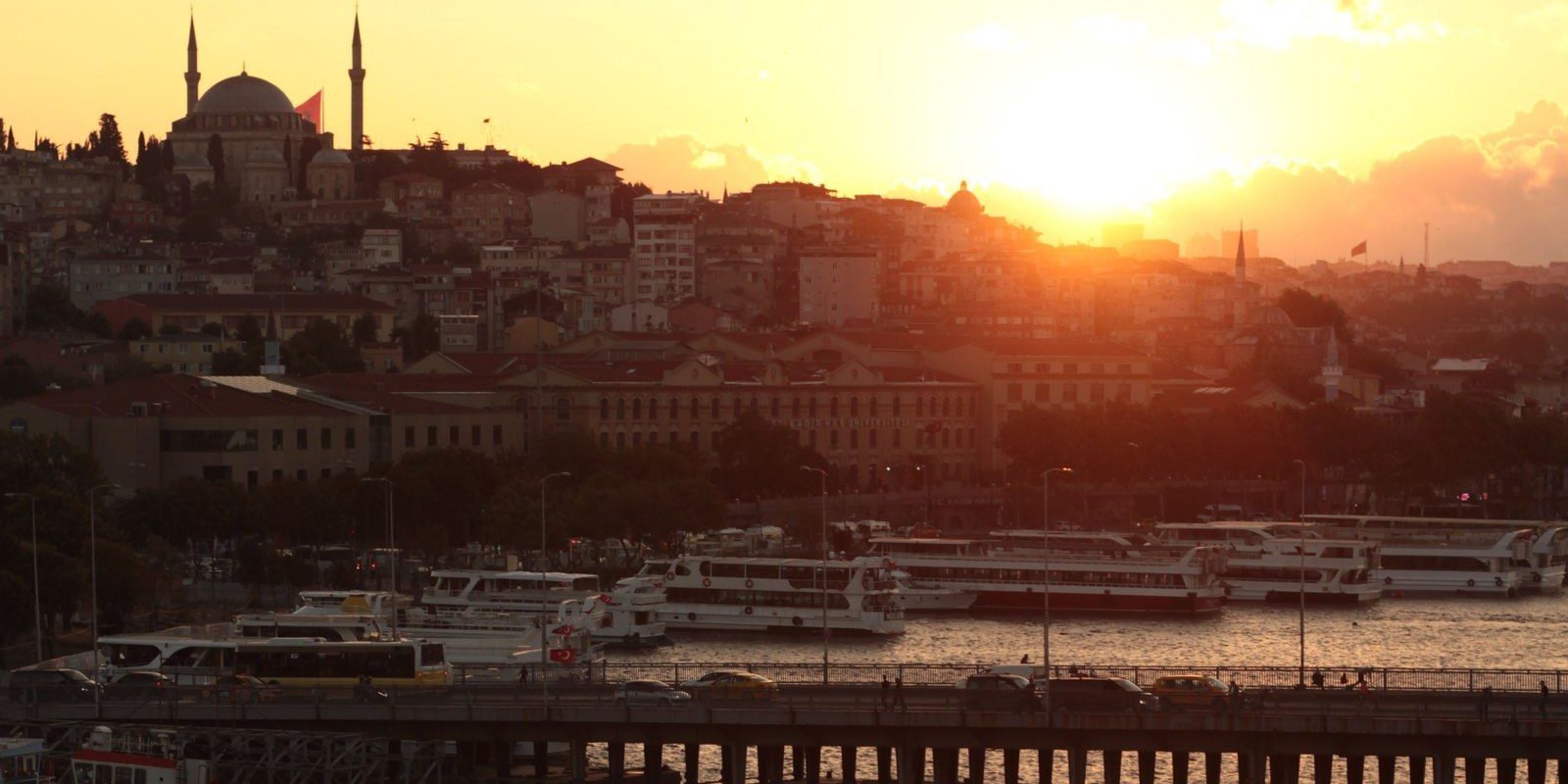
Your days in Istanbul
Plan at least 5–7 days in Istanbul after surgery. NHS guidance is not to fly sooner after breast surgery or liposuction, because surgery and flying both raise the risk of blood clots.
-
Examination and tests
Before surgery
Arrive early enough for the pre-operative examination and blood tests, and bring your list of medicines.
-
Operation and going home
Surgery day
Same-day discharge after local anaesthesia, or one night in hospital after a general anaesthetic.
-
Tender but improving
The first days
The chest is tender for a few days. Wear the vest, keep your arms below head height, and avoid heavy lifting, sport, the sea and pools.
-
Wound check and a follow-up plan
Before you fly home
Have your wounds checked, and agree who will see you at home and how to reach the clinic.
Recovery, day by day
Typical ranges from NHS and Cleveland Clinic guidance, together with the protocol Op. Dr. Bilgehan İlker describes. Your own timeline may differ.
- Day 1
Compression on
You wear a dressing and the compression vest, sometimes with a drain. Bleeding under the skin most often shows in the first 24 hours.
- Days 2–3
Tenderness
The chest is quite tender for the first few days, with swelling and bruising.
- Week 1
Easing
Tenderness usually eases within about a week. Dr. İlker asks patients to avoid heavy lifting, strenuous sport, the sea and pools this week. Flying is reasonable after 5–7 days, and some men return to work after a few days.
- Week 2
Back to work
Most men are back at work by about 2 weeks, and the dissolving stitches need no removal.
- Weeks 3–4
Gradual exercise
From about week 3, stretching, exercise and lifting can build up gradually. Keep wearing the vest for as long as advised.
- Months 2–3
Full activity
Most men return to full activity around week 6, and Dr. İlker allows sport, the sea and pools after week 6 if the chest is protected from knocks. The result becomes clear between 3 and 6 months.
- Month 6
Final result
The final contour shows by about 6 months, once the swelling has gone.
- Month 12
Scars fade
Scars around the areola keep fading over the months, although they are permanent.
Contact us straight away if you notice
- Bleeding from a wound, pus, or a wound that opens.
- Severe pain or swelling, especially rapid swelling on one side.
- Fever and redness of the chest.
- Pain, swelling or warmth in one calf.
- Shortness of breath, chest pain or a racing heartbeat: call your local emergency number.
In an emergency, call your local emergency number.
Aftercare at home
- Wear the compression vest for as long as advised, often 4–6 weeks.
- Care for any drain as you were shown.
- Avoid heavy lifting and raising your arms above your head in the first days.
- Do not drive until a seatbelt is comfortable, which can take a few weeks.
- Stay away from anabolic steroids and other substances that can cause gynaecomastia, and keep your weight stable.
- Do not stop or change a prescribed medicine without your doctor.
- Once healed, use silicone gel or sheets and SPF 30+ on the scars.
Risks and how they are reduced
Gynaecomastia surgery carries the general risks of surgery and some that are specific to reshaping the chest.
Risks are lowered by looking for the cause first, not smoking, reviewing medicines, wearing the compression vest, avoiding strain early on and waiting 5–7 days before flying. The removed tissue can be examined in a laboratory; ask whether this is planned in your case.
| Risk | How often |
|---|---|
Bleeding (haematoma)Bleeding under the skin is most likely in the first 24 hours and needs prompt treatment. | Uncommon |
Uneven contour or asymmetryThe two sides of the chest or the nipples can look different, or the surface can be uneven. | Varies |
Nipple sensationSensation in the nipple can be reduced or lost. | Varies |
Visible scarsThere is usually a scar around the areola, and an anchor-shaped scar after very large reductions; scars are permanent but fade. | Varies |
Fluid, fat necrosis or slow healingA fluid collection (seroma), hardened fat or slow wound healing can occur. | Uncommon |
Further surgeryAn ideal result is not always reached in one operation; extra tightening or repositioning is sometimes needed. | Varies |
RecurrenceGynaecomastia can return if the cause continues, such as anabolic steroids, finasteride and other medicines, or weight gain. | Varies |
Infection, blood clots and anaesthesiaInfection, deep vein thrombosis and reactions to anaesthesia are possible, and flying soon after surgery adds to the clot risk. | Rare |
Results and how long they last
Swelling hides the final contour at first. The result becomes clear between 3 and 6 months, with the final shape by about 6 months, and the scars around the areola fade over the months.
In most men the result is long-lasting. If gynaecomastia was linked to a prescription medicine, steroids, other substances or weight gain, avoiding them and keeping your weight stable helps keep it that way.
How long it lasts: Long-lasting in most men, provided the cause, such as steroids, certain medicines or weight gain, is avoided.
With any surgical or interventional procedure, results vary from person to person. We recommend a detailed consultation with your doctor before any procedure.
Before and after
Before and after photos are shared only with patients’ written consent. You can ask to see examples during your consultation.
Before and afterQuestions to ask at your consultation
Take these to any surgeon you see — including us.
- What is your specialist training, and how often do you perform gynaecomastia surgery?
- Is my enlargement mainly gland, fat or both, and which technique do you suggest?
- Have possible causes, including my medicines, been checked?
- Will the removed tissue be sent to a laboratory?
- Local or general anaesthesia, and will I stay overnight?
- How long should I wear the compression vest, and when can I train again?
- How long should I stay in Istanbul, and who do I contact once I am home?
- What does the plan include, and what might cost extra later?
What shapes your plan and quote
Your plan and quote follow your examination, because the technique depends on how much gland, fat and skin there is.
- Whether liposuction, gland removal or both are needed.
- Whether excess skin must be removed or the nipple repositioned.
- Local or general anaesthesia, and any overnight stay.
- Tests needed beforehand, such as blood tests or imaging.
- The compression vest and the check-up before you fly.
We do not publish prices: every plan is personal and is written for you after your assessment.
Frequently asked questions
Can gynaecomastia come back after surgery?
Usually not, but it can if the cause continues. Anabolic steroids, some medicines such as finasteride, and weight gain are known causes, so avoiding them and keeping a stable weight matters. Never stop a prescribed medicine on your own; talk to the doctor who prescribed it first.
How long do I need to wear the compression vest?
It depends on the surgeon. NHS guidance mentions wearing it day and night for 1–2 weeks, while Op. Dr. Bilgehan İlker usually asks patients to wear it for 4–6 weeks. The vest supports the reshaped chest while it settles, so follow the plan you are given.
When can I go back to the gym?
Avoid stretching, strenuous exercise and lifting for about 3 weeks, then build up gradually; most men return to full activity around week 6. Dr. İlker allows sport after week 6 as long as the chest is protected from knocks. Ask before restarting chest exercises or heavy weights.
Will there be scars?
Yes. Most men have a scar around the edge of the areola, plus small marks where the liposuction cannula went in, and very large reductions leave an anchor-shaped scar. Scars are permanent but fade over the months, and their final look depends partly on your genes.
Is liposuction alone enough?
Only if the fullness is mainly fat. Liposuction does not remove glandular tissue, so firm gland behind the nipple has to be cut out, usually through the edge of the areola. Many operations combine both: gland removal for the firm tissue and liposuction for the fat around it.
Will teenage gynaecomastia go away on its own?
Usually, yes. Up to half of teenage boys have some breast enlargement, and most cases settle without treatment within 6 months to 2 years, so doctors usually monitor it every 3–6 months first. Surgery is possible in teenagers, but if the breasts are still developing, a second operation may be needed.
Will losing weight get rid of it?
If the fullness is only fat (pseudogynaecomastia), weight loss is the recommended first step and surgery is not suitable. True gynaecomastia is an enlargement of the glandular tissue itself, which is why the examination looks at what the fullness is made of before anything is planned.
Can medication treat gynaecomastia?
Sometimes. Tamoxifen, raloxifene or aromatase inhibitors may help some adults, but they are not specifically approved for gynaecomastia, and testosterone is used only for proven hypogonadism. Surgery is mainly considered for long-standing, firm (fibrotic) gynaecomastia or when it causes marked distress.
Is gynaecomastia surgery painful?
The chest is quite tender for the first few days, and the tenderness usually eases within about a week. Some discomfort, swelling and bruising are normal. Pain that keeps getting worse, or rapid swelling on one side, should be reported straight away, as it can be a sign of bleeding.
When can I go back to work?
Usually within a few days to 2 weeks. A desk job may be possible after a few days, but work involving lifting or physical effort needs longer, because stretching, strenuous effort and lifting are avoided for about 3 weeks. Do not drive until a seatbelt feels comfortable.
When can I fly home after surgery in Istanbul?
NHS guidance is to wait 5–7 days after breast surgery or liposuction before flying, because surgery and flying both raise the risk of blood clots. Plan your stay around this, have your wounds checked before you leave and agree who will see you once you are home.
When can I swim or go to the beach?
After week 6. Dr. İlker asks patients to avoid the sea and pools in the early weeks and allows them after week 6, as long as the chest is protected from knocks. Many men plan this surgery before summer, so leave enough time for recovery before a beach holiday.
What tests are done before surgery?
A medical history, including medicines and supplements, and an examination of the breasts, abdomen and testicles. Blood tests look for a hormonal or other cause, and imaging is added if needed. A one-sided enlargement or a hard lump is checked for male breast cancer before surgery is planned.
Medical informationThe information on this page is general information only. It is not medical advice and does not replace a diagnosis or treatment. Every surgical and interventional procedure carries risks, which will be explained to you in detail during your consultation. Whether this procedure suits you can only be decided after an in-person examination and assessment. We encourage you to also seek independent advice from your own doctor before deciding.
Sources
- NHS: Breast reduction (male)
- NHS: Gynaecomastia
- ASPS: Gynecomastia surgery
- Mayo Clinic: Gynecomastia, symptoms and causes
- Mayo Clinic: Gynecomastia, diagnosis and treatment
- Cleveland Clinic: Gynecomastia surgery
- NHS: Cosmetic surgery abroad
- Pozza et al. 2026: SIAMS guidelines on gynecomastia (PubMed)
- Simon et al. 1973: Classification and surgical correction of gynecomastia (PubMed)
A conversation, at your pace.
Would you like an honest view of your options?
Send us your questions in your own words. The first step is always an examination, and you decide in your own time.

- Nef 22 Ataköy, D Blok, Kat 1, Daire 36, Çobançeşme E-5 Yanyol Cad. No:22, Bakırköy / İstanbul
- Monday to Saturday, 10:00–18:00
- +90 542 280 27 51
- Dr. İlker speaks English and Turkish.
Thank you — your question has reached the clinic.
The team will reply using the contact details you gave. If you would like to talk sooner, continue on WhatsApp — your request is already written for you.
Continue on WhatsApp