 Deutsch
 Español
 Français
 العربية
 Română
 Русский
Facelift (rhytidectomy) in Istanbul
For sagging along the cheeks, jawline and upper neck. This page explains how a facelift works, what recovery really involves and what it can and cannot change, so you can weigh it up calmly.
- Operation time 2–5 hours, depending on the extent
- Hospital stay Usually one night
- Time in Istanbul Usually 8–10 days after surgery; longer if combined
- Back to work 2–3 weeks; 5–7 days after a mini facelift

What is a facelift?
A facelift (rhytidectomy) is an operation that lifts and repositions the deeper layer of the face, called the SMAS, and removes excess skin. It mainly improves sagging cheeks, jowls along the jawline and looseness in the upper neck. It does not remove fine wrinkles, sun damage or uneven colour, and it does not stop ageing. Through incisions hidden in the hairline and around the ears, the tissues are lifted and the skin redraped, usually under general anaesthesia in 2–5 hours. Most people feel ready to be seen in public after 10–14 days; the final result takes 6–9 months.
What it can do
- Lift sagging cheeks and reduce jowls along the jawline
- Reposition the deeper SMAS layer, not just the skin
- Improve looseness in the upper neck, more so when combined with a neck lift
- Soften deep creases caused by sagging tissue
- Give a result that commonly lasts for many years
What it cannot do
- Remove fine wrinkles, sun damage or uneven skin colour
- Lift the brows or treat the eyelids, which need their own procedures, such as a brow lift
- Stop ageing: your face keeps changing after surgery
- Take off a promised number of years
Is it right for you?
A facelift suits people whose main concern is sagging in the lower face and neck, not the surface of the skin. There is no set age: most people who have one are in their 40s to 60s, and it is also done in people in their 70s and 80s. Suitability is decided at an in-person examination.
Usually a good fit if
- Your cheeks have dropped and jowls have formed along your jawline
- The skin and deeper tissues of your lower face and upper neck have loosened
- You are in good health, with no condition that impairs healing
- You do not smoke or vape, or can stop at least 6 weeks before surgery and throughout recovery
- Your weight is stable and you want a natural-looking improvement
Better to wait or consider alternatives if
- You smoke and cannot stop: nicotine is the main risk factor for skin loss after a facelift
- Your blood pressure is uncontrolled, or you take blood thinners that cannot be paused with your prescribing doctor's agreement; both raise the risk of bleeding
- You have a condition or treatment that affects healing, such as diabetes, immune suppression, long-term steroids, a bleeding or connective tissue disorder, or radiotherapy to the face
- You expect to lose or gain a lot of weight, which can undo part of the result
- You feel very distressed about your appearance; talking this through first, sometimes with a mental health professional, is the kinder step
Techniques
Techniques differ mainly in how deep the lift goes and how long the incisions are. No technique has been shown to be clearly superior: a small randomised trial comparing deep plane, high SMAS and plication facelifts found no difference between them.

Full facelift
The incision runs from the temple hairline, in front of and around the ear, into the hair behind it, with a short incision under the chin if the neck needs work. The SMAS is folded (plication), shortened (SMASectomy) or released more widely, fat is sculpted and excess skin is removed.
Best for
Clear sagging of both the lower face and the neck
Mini facelift
Shorter incisions and a more limited lift. Recovery is quicker, often 5–7 days before returning to work, but the effect is smaller. Short-scar versions such as the MACS lift can be done under local anaesthesia.
Best for
Early jowling and mild laxity
Deep plane facelift
Skin and SMAS are lifted together as one layer after the deeper attachments are released, so the cheek can move further. It is often chosen for heavy tissue or deep folds between nose and mouth, although studies have not shown it to be clearly better.
Best for
Deep nasolabial folds and heavy or descended cheeks
Mid-facelift
Lifts the cheek area through small incisions inside the mouth or along the lower eyelid, often with an endoscope, working on the middle of the face rather than the jawline.
Best for
Descended cheeks and the folds between nose and mouth

Op. Dr. Bilgehan İlker
Specialist in plastic, reconstructive and aesthetic surgery
- Specialist training: Dokuz Eylül University
- Medical degree: Trakya University
- Health tourism authorization: ST-2657
- Dr. İlker speaks English and Turkish.
How Dr. İlker approaches a facelift
Op. Dr. Bilgehan İlker is a specialist in plastic, reconstructive and aesthetic surgery who trained at Dokuz Eylül University. In her own description of the operation, she works on the SMAS through an incision that starts at ear level and continues behind the ear, reshaping the facial ligaments, fat pads and SMAS before removing excess skin.
She describes three levels of surgery: full, mid-face and mini facelift. Her view is that sagging addressed earlier can often be corrected with a more limited operation, so part of your consultation is working out how much surgery you actually need.
- History before the plan Expectations, medical history, medicines, blood pressure and smoking are reviewed first, because they shape both the plan and your safety.
- Extent matched to your face A full, mid or mini facelift is chosen from your examination, not from a fixed package.
- Clear about limits Skin texture, fine lines and colour need other treatments, which are discussed separately.
- Consent in writing You receive a written plan and sign consent once your questions are answered, with time to think.
The operation, step by step
Most facelifts take 2–5 hours. Your own plan is explained to you beforehand.
-
Consultation and planning
Your history, medicines, blood pressure and goals are reviewed, your face and neck are examined and photographed, and the technique is chosen.
-
Marking and anaesthesia
The incision lines are marked on your skin. Most facelifts are done under general anaesthesia, some under local anaesthesia with sedation.
-
Incisions
The incision runs inside the temple hairline, in front of the ear, around the earlobe and into the crease and hair behind it, with a short incision under the chin if the neck is included.
-
Lifting the deeper layers
The SMAS and deeper tissues are moved upwards and backwards, fat is sculpted or redistributed, and the neck muscle (platysma) is tightened if needed.
-
Redraping and closing
The skin is laid over the new contour, the excess is trimmed, and the incisions are closed with stitches or skin glue.
-
Dressing and discharge
A soft head dressing limits swelling, and thin drains, if used, usually come out before you leave hospital. Most people stay one night.
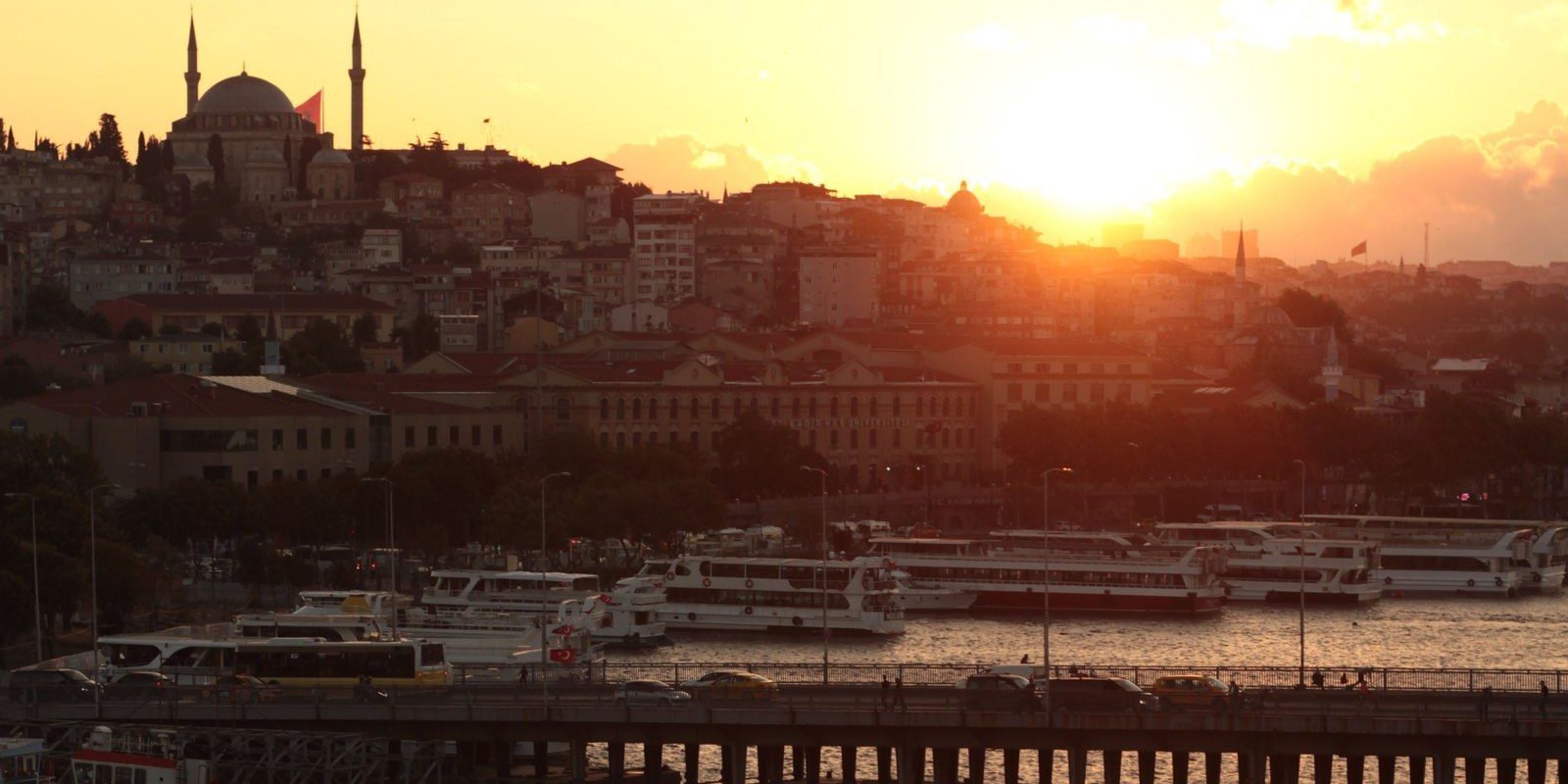
Your days in Istanbul
If you are travelling, plan the trip around healing rather than flights. Your own dates are confirmed after your examination.
-
Examination and tests
Before surgery
Arrive early enough for an unhurried in-person examination and tests. UK guidance from BAAPS suggests arriving at least 72 hours before an operation of this kind, with the examination at least 48 hours before surgery.
-
Operation and a night in hospital
Surgery day
Follow the fasting instructions you are given. Most people stay one night in hospital, resting with the head raised.
-
Rest near your accommodation
The first days
Keep your head raised, walk around indoors and have an adult with you for the first 48 hours. Avoid sightseeing, sunbathing, swimming and alcohol.
-
Stitches out and cleared to fly
Before you fly home
Stitches usually come out at around 7–8 days, and ASPS advises waiting 7–10 days before flying. BAAPS recommends a check by your operating surgeon before you leave. After a combined or longer operation, plan at least 10–14 days.
Recovery, day by day
Typical ranges from NHS, BAAPS, ASPS and Cleveland Clinic guidance. Everyone heals differently, and your own instructions come first.
- Day 1
Dressing on, head raised
Your face is wrapped in a soft dressing, sometimes with small drains. Pain is usually controlled with medication. Sleep with your head raised and have an adult with you.
- Days 2–3
Swelling and numbness
Swelling and bruising are clearly visible, and numb cheeks and ears are normal. Keep the dressing dry and do not shower for the first 2 days. Feeling low for a few days is common.
- Week 1
Stitches out
Bruising and swelling continue. Stitches usually come out at 7–8 days (NHS guidance: 7–14 days). Avoid bending down.
- Week 2
Ready to be seen
Bruising usually lasts at least 2 weeks; many people go out in public after 10–14 days, with camouflage make-up if needed. Light activity can start, but avoid strenuous exercise, saunas, massage and sex for at least 2 weeks.
- Weeks 3–4
Back to routine
Most bruising and swelling settle within 2–3 weeks, and many people return to work. Strenuous exercise can usually resume after week 3. Drive only once you can wear a seatbelt comfortably.
- Months 2–3
Feeling like yourself
Firmness around the face and mouth usually eases by about 6 weeks, and most people feel normal again at 2–3 months. Use sun protection every day.
- Month 6
The result takes shape
Numbness keeps improving, though an area in front of the ear can stay less sensitive for longer. Scars fade from red to purple to pale. The final result is judged at 6–9 months.
- Month 12
Scars fading
Scars keep fading over 12–18 months. Protect them from the sun throughout the first year.
Contact us straight away if you notice
- Swelling, pain or discolouration that increases quickly, especially on one side (possible haematoma)
- Bleeding that soaks through the dressing
- Fever, or redness and discharge from a wound
- A painful, swollen calf
- Shortness of breath or chest pain
In an emergency, call your local emergency number.
Aftercare at home
- Keep your head raised in the first days and avoid bending down.
- Look after the dressing and any drains as instructed.
- Avoid heavy lifting for several weeks, and strenuous exercise, saunas, massage and sexual activity for at least 2 weeks.
- Use camouflage make-up for bruising once your surgeon allows it.
- Protect the scars from the sun for 12 months; daily sun protection also helps the result last.
- Men: your beard line will sit closer to the ear, which may change how you shave there.
Risks and how they are reduced
Every operation carries risks. These are the ones reported in the medical sources; your surgeon goes through them with you in person.
Stopping nicotine early, controlling blood pressure, pausing bleeding-risk medicines on medical advice and following aftercare closely all lower risk. So does contacting your surgeon early about any warning sign.
| Risk | How often |
|---|---|
Swelling, bruising and numbnessExpected. Numb cheeks and ears and a feeling of tightness can last weeks to months. | Common |
Low moodFeeling low for a few days is common; studies report depressive symptoms in up to 30% of patients, mostly temporary. | Common |
Haematoma and seromaBleeding under the skin is the most common complication, reported in 0.2–8% of facelifts and more often in men; careful blood pressure control lowers the risk. Fluid (seroma) can also collect and need draining. | Uncommon |
Nerve injuryWeakness of the brow or lower lip is reported in about 0.7–2.5% and is usually temporary; permanent facial nerve damage is very rare. Numbness around the ear is more frequent. | Uncommon |
Skin lossSkin, usually in front of the ear, can heal poorly. This affects under 1% of patients but is clearly more frequent in smokers. | Rare |
Scar, hairline and earlobe changesScars can thicken, the sideburn or hairline can shift, hair can thin near a scar and the earlobe can change shape; many of these can be improved with a small procedure under local anaesthesia. | Varies |
Infection and blood clotsInfection is rare. As with any general anaesthetic, clots in the legs or lungs are a small risk, higher in smokers. | Rare |
Asymmetry or further surgeryThe sides can heal differently, and one operation does not always give the ideal result. | Varies |
Results and how long they last
Swelling hides much of the change at first. Most people look presentable after 10–14 days and feel normal at 2–3 months, but the final result is judged at 6–9 months.
After that, your face keeps ageing at its own pace. Sun protection, not smoking and a stable weight help the result hold; weight loss can bring back some sagging. Studies of perceived age show wide differences between people, so no number of years can be promised.
How long it lasts: Commonly 7–10 years, according to Cleveland Clinic; some people choose a refresher operation years later.
With any surgical or interventional procedure, results vary from person to person. We recommend a detailed consultation with your doctor before any procedure.
Before and after
Before and after photos are shared only with patients’ written consent. You can ask to see examples during your consultation.
Before and afterQuestions to ask at your consultation
Take these to any surgeon you see — including us.
- Are you a specialist in plastic surgery, and will you perform the whole operation yourself?
- Which technique do you recommend for my face, and why?
- Where will the operation take place, and who gives the anaesthetic?
- How long will my operation take, and how long should I stay in Istanbul?
- Where will my scars be?
- Which medicines and supplements should I stop, and when?
- What is included in my plan, and what could add to it?
- What happens if I have a complication after I fly home, and whom do I contact?
- Can I see before and after photos of your own patients, shared with their consent?
What shapes your plan and quote
No prices are published on this site. After your examination, you receive a personal written plan that sets out what it includes.
- The type and extent of facelift your anatomy needs
- Whether a neck lift, eyelid surgery, brow lift or facial fat grafting is added in the same operation
- Operation length and type of anaesthesia
- Nights in hospital and tests before surgery
- How long you need to stay in Istanbul before you can fly
We do not publish prices: every plan is personal and is written for you after your assessment.
Frequently asked questions
How long does a facelift last?
Results commonly last 7–10 years, according to Cleveland Clinic. The operation repositions the tissues, but ageing carries on, and some people have a refresher operation years later. Not smoking, daily sun protection and a stable weight all help the result hold.
How long is facelift recovery?
Bruising and swelling usually last 2–3 weeks, and most people feel ready to be seen in public after 10–14 days. Tightness and numbness last longer: feeling normal typically takes 2–3 months, and the final result is usually judged at 6–9 months.
When can I go back to work after a facelift?
Most people return to work after 2–3 weeks; NHS guidance gives 2–4 weeks. After a mini facelift, 5–7 days is typical. If your work is physical, allow longer, because heavy lifting is avoided for several weeks. Many people also prefer to wait until bruising has faded.
Will facelift scars show?
The scars sit mostly in the hairline and the natural creases around the ear, and they fade over 12–18 months. They are not invisible, and they can be harder to hide in men because of the beard line and short hair. Sun protection in the first year helps them settle.
Is a facelift painful?
Pain is usually controlled with painkillers. Many people find that tightness and numbness in the cheeks and around the ears bother them more than pain in the first days. Both ease gradually over the following weeks and months. Feeling low for a few days is also common and usually passes.
What is the difference between a mini facelift and a full facelift?
A mini facelift uses shorter incisions and suits early sagging; recovery is quicker, often 5–7 days before returning to work, but the effect is smaller. A full facelift treats more advanced sagging of the face and neck, with a longer recovery. Your examination shows which fits you.
Is a deep plane facelift better?
Not necessarily. A deep plane facelift lifts the skin and the deeper layer together and is often chosen for heavy tissue or a deep fold between nose and mouth. A small randomised trial comparing deep plane, high SMAS and plication facelifts found no difference in outcome. Your anatomy decides.
How many years younger will a facelift make me look?
Nobody can honestly promise a number. Studies that measured how old people looked after surgery found large differences between individuals, depending partly on which procedures were combined. A facelift aims for a rested, natural-looking version of your own face, not a particular age.
Can a facelift damage the facial nerves?
It can, but it is uncommon. Nerve injury is reported in about 0.7–2.5% of facelifts, and most cases recover over time; permanent facial nerve damage is very rare. Numbness around the ear is more common and usually improves over months.
I smoke. Can I still have a facelift?
Only if you stop. Smoking sharply raises the risk of skin loss: one series found it in 7.5% of smokers compared with 2.7% of non-smokers. You need to stop all nicotine, including vapes and patches, at least 6 weeks before surgery and stay off it while you heal.
How long should I stay in Istanbul for a facelift?
Plan on at least 8–10 days after surgery, so your stitches can come out at around a week and you can be checked before you fly. If the facelift is combined with a neck lift or lasts more than 3 hours, plan at least 10–14 days; BAAPS suggests 2–4 weeks.
When can I fly home after a facelift?
ASPS advises waiting 7–10 days after facial surgery before flying, because long flights soon after an operation raise the risk of blood clots. On a long flight, choose an aisle seat, drink plenty of water, walk around regularly and ask whether you should wear compression stockings.
Medical informationThe information on this page is general information only. It is not medical advice and does not replace a diagnosis or treatment. Every surgical and interventional procedure carries risks, which will be explained to you in detail during your consultation. Whether this procedure suits you can only be decided after an in-person examination and assessment. We encourage you to also seek independent advice from your own doctor before deciding.
Sources
- ASPS: Facelift
- NHS: Facelift (rhytidectomy)
- BAAPS: Facelift and necklift
- Cleveland Clinic: Facelift
- StatPearls: Cervicofacial rhytidectomy
- Baptista et al. Three facelift techniques compared, randomised clinical trial (2026)
- ASPS: Briefing paper on cosmetic surgery tourism
- BAAPS: Cosmetic tourism guidelines (2023)
A conversation, at your pace.
Wondering whether a facelift is right for you?
Send your questions, with photos if you wish. Op. Dr. Bilgehan İlker will tell you plainly which options are worth an examination, and which are not.

- Nef 22 Ataköy, D Blok, Kat 1, Daire 36, Çobançeşme E-5 Yanyol Cad. No:22, Bakırköy / İstanbul
- Monday to Saturday, 10:00–18:00
- +90 542 280 27 51
- Dr. İlker speaks English and Turkish.
Thank you — your question has reached the clinic.
The team will reply using the contact details you gave. If you would like to talk sooner, continue on WhatsApp — your request is already written for you.
Continue on WhatsApp