 Deutsch
 Español
 Français
 العربية
 Română
 Русский
Fat transfer breast augmentation in Istanbul
For women who want a small, natural-looking increase using their own fat instead of implants: how much change to expect, how long it lasts and what it means for breast screening.
- Operation time Usually a few hours, depending on the areas treated
- Hospital stay Usually home the same day, sometimes after one night
- Time in Istanbul At least 5–7 days before flying home
- Back to work About 1 week; some people need a few weeks
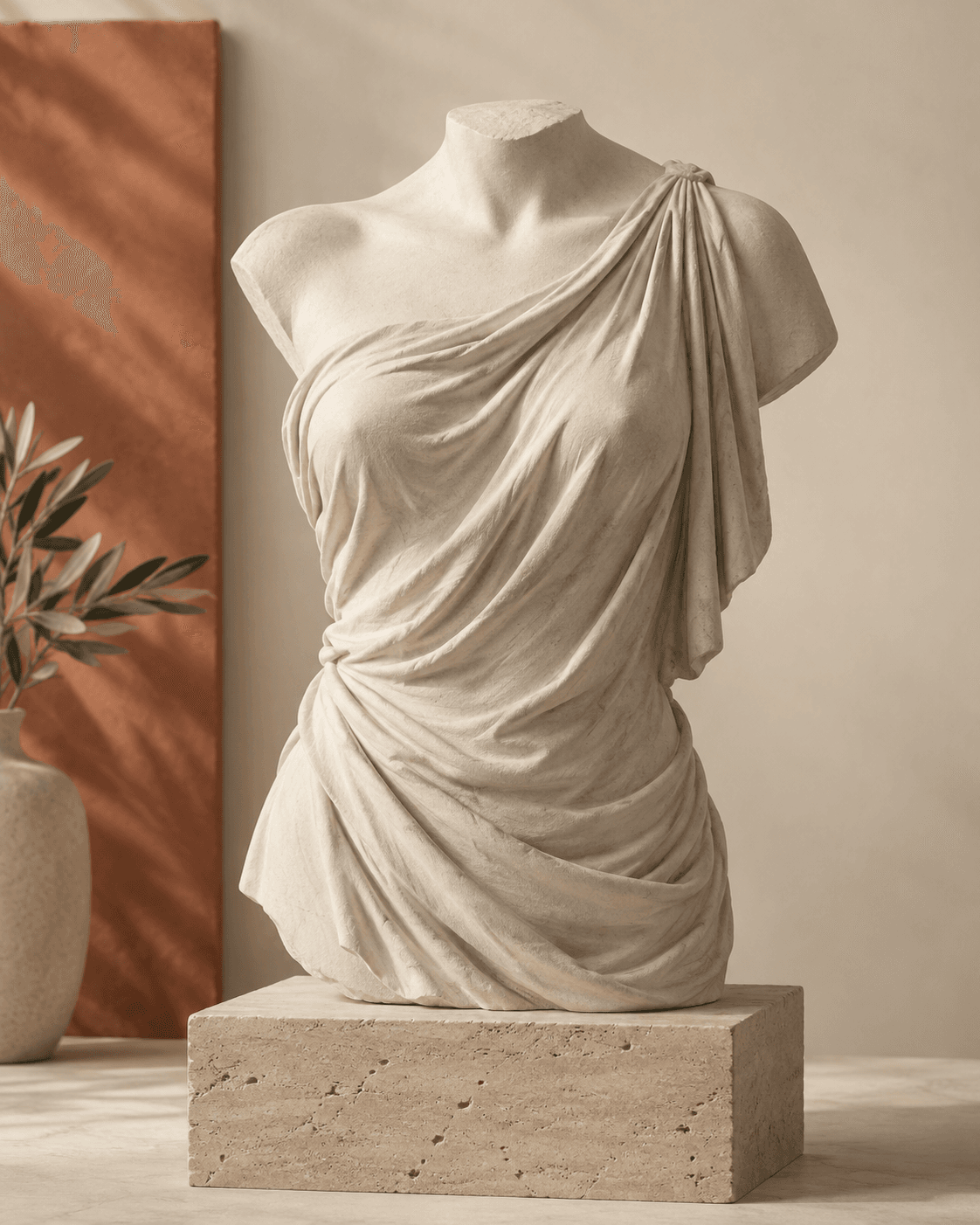
What is fat transfer breast augmentation?
Fat transfer breast augmentation moves fat from your own body into the breasts. The fat is taken by liposuction, usually from the abdomen, hips or thighs, separated from blood and fluid, and injected in small amounts. The increase is modest, about one cup size at most. Part of the fat is absorbed in the first months, but the fat that survives is long-lasting. Time off work is typically about a week, and the result settles at around six months.
What it can do
- Add a modest amount of volume, about one cup size at most
- Use your own tissue, with no implant to monitor or replace
- Slim donor areas such as the abdomen, hips or thighs
- Even out a small difference between the breasts
What it cannot do
- Give a large increase; that needs implants
- Lift sagging breasts; that needs a lift
- Predict exactly how much fat will survive
Is it right for you?
Fat transfer suits women who want a small change and have fat to spare. Suitability is confirmed at an in-person examination, including a breast check.
Usually a good fit if
- You want a modest increase, about one cup size at most
- You have enough fat in areas such as the abdomen, hips or thighs
- You are over 18, healthy, do not smoke and can keep your weight stable
- You would rather not have implants
Better to wait or consider alternatives if
- You are very slim, as more fat must be taken than ends up in the breast
- You want a large increase; implants are the realistic option
- Your breasts sag noticeably; that needs a lift
- You smoke, are pregnant or breastfeeding, or your weight goes up and down
Techniques
Every fat transfer has three stages: harvesting, preparing and injecting. The options lie in how each is done and whether fat is used alone.
Harvesting by liposuction
Fat is removed through small incisions with a thin cannula. Op. Dr. Bilgehan İlker's own pages list conventional, ultrasound-assisted, laser-assisted and power-assisted methods.
Best for
Areas with fat to spare
Preparing and injecting
The fat is separated from blood and fluid, for example by centrifuge, and injected in tiny amounts into different layers, with extra to allow for losses.
Best for
Even, natural-looking volume
Fat with an implant
Fat can also be used together with an implant, as support for it, rather than on its own.
Best for
Women also considering an implant
Repeat sessions
Larger changes may need two or more sessions, and touch-up injections are sometimes needed.
Best for
Building volume gradually

Op. Dr. Bilgehan İlker
Specialist in plastic, reconstructive and aesthetic surgery
- Specialist training: Dokuz Eylül University
- Medical degree: Trakya University
- Health tourism authorization: ST-2657
- Dr. İlker speaks English and Turkish.
How Dr. İlker approaches fat transfer breast augmentation
Op. Dr. Bilgehan İlker trained in plastic, reconstructive and aesthetic surgery at Dokuz Eylül University. Her pages describe fat transfer as suited to women over 18 who want a small increase, about half a cup to one cup size, and have fat to spare.
She performs it in an operating theatre, under local anaesthesia for smaller procedures and general anaesthesia when more fat is moved.
- Clear limits on size If you want more than fat can give, she says so and explains the alternatives.
- Donor areas chosen with you Fat usually comes from the hips, thighs, inner knees or abdomen, depending on your shape.
- Breast check first Her augmentation page asks for a mammogram before surgery if you are over 40.
The operation, step by step
The procedure usually takes a few hours. The usual order:
-
Consultation and marking
Your breasts and donor areas are assessed and marked before surgery.
-
Anaesthesia
General anaesthesia, or local anaesthesia for smaller procedures.
-
Harvesting
Fat is removed by liposuction through small incisions, which are then stitched.
-
Preparing and injecting
The fat is separated from blood and fluid and injected in small amounts; the breast entry points usually need no stitches.
-
Dressings
The breasts are wrapped in an elastic bandage and surgical bra, and a compression garment goes on the donor areas.
Your days in Istanbul
Travelling to Istanbul? Plan around your examination and the wait before flying; your personal plan sets the dates.
-
Assessment and marking
Before surgery
Arrive early enough for your examination, breast check, blood tests and marking before surgery day.
-
Procedure and rest
Surgery day
You usually go home the same day or after one night, with someone to stay with you.
-
Bruising and swelling
The first days
Rest, sleep on your back and wear your garment; no sightseeing, swimming, sunbathing or alcohol yet.
-
Clearance to travel
Before you fly home
UK NHS guidance advises not flying for 5–7 days after breast surgery or liposuction. Leave with written aftercare and a contact.
Recovery, day by day
You recover in two places, the donor areas and the breasts; timings are typical.
- Day 1
Home to rest
You usually go home the same day or after one night, in a surgical bra and a compression garment on the donor areas.
- Days 2–3
Bruising and soreness
Pain, bruising and swelling are normal in both areas. Sleep on your back so nothing presses on the breasts.
- Week 1
Easing back
Plan about a week off work and physical activity, and wait 5–7 days before flying.
- Weeks 2–4
Bruises fading
Bruising and pain can last up to three weeks. Light exercise can usually start around weeks 3–4, if your surgeon agrees.
- Months 2–3
Some volume settles
Part of the fat is absorbed, so the breasts look smaller than in the first weeks. Avoid strenuous exercise for 10–12 weeks after liposuction.
- Month 6
Final result
The result is usually visible by now, though swelling can take up to six months to settle fully.
- Month 12
Taking stock
Studies measure fat survival at 12 months, with averages of about 53–62%. Another session can be discussed if needed.
Contact us straight away if you notice
- Shortness of breath, chest pain or an irregular heartbeat: call emergency services
- Increasing swelling, redness, warmth or pain in a breast or donor area
- A fever
- Rapid, painful swelling on one side
- Pain or swelling in one calf
In an emergency, call your local emergency number.
Aftercare at home
- Keep pressure off the breasts: sleep on your back and wear loose clothes until told otherwise.
- Wear the compression garment on donor areas continuously for the weeks advised.
- Take antibiotics and pain relief exactly as prescribed.
- Keep your weight stable, as changes affect the volume you keep.
- Continue routine breast screening, and have any new lump checked.
Risks and how they are reduced
Fat transfer avoids the device risks of implants but is still surgery. Reviews report overall complication rates of 17.2–25.9%, mostly minor findings on scans or small lumps.
Choosing the right candidate, stopping smoking, a stable weight and careful aftercare lower the risks; any new breast lump should be checked with imaging.
| Risk | How often |
|---|---|
Expected side effectsMarked bruising and swelling, temporary numbness, small scars that fade but do not disappear, and loss of part of the fat in the first months. | Common |
Fat necrosis and oil cystsFat that does not survive can form firm lumps or oil cysts. Fat necrosis was reported in 4.66–8.8% of patients in recent reviews. | Uncommon |
Calcifications and further testsSmall calcium deposits may show on mammograms and need further imaging; in one review 5.55% of women later had a biopsy. | Uncommon |
General surgical risksHaematoma, infection, blood clots, anaesthetic reactions and raised scars. | Uncommon |
Rare serious complicationsFat embolism, where fat enters the bloodstream, and pneumothorax, an air leak around a lung, are rare but need emergency care. | Rare |
Results and how long they last
The breasts look fuller at first, partly from swelling and partly because extra fat is injected to allow for losses. Part of the fat is then absorbed and the result settles at around six months; in studies, an average of 53–62% remained at 12 months, with wide variation.
Fat transfer can change how the breasts look on scans. Keep up routine screening for your age and tell the radiographer about your surgery; a small calcification or lump may occasionally need an ultrasound, MRI or biopsy. Results vary from person to person.
How long it lasts: The fat that survives the first months is long-lasting, but its volume changes with your weight and the breasts continue to age.
With any surgical or interventional procedure, results vary from person to person. We recommend a detailed consultation with your doctor before any procedure.
Before and after
Before and after photos are shared only with patients’ written consent. You can ask to see examples during your consultation.
Before and afterQuestions to ask at your consultation
Take these to any surgeon you see — including us.
- How much increase is realistic for my body?
- Which donor areas would you use?
- What happens if less fat survives than expected?
- How might this affect my future mammograms?
- Would an implant, or fat with an implant, suit me better?
- Where will surgery take place, and who gives the anaesthetic?
- Whom do I contact after I fly home?
What shapes your plan and quote
Prices are not published. After your assessment you receive a personal written plan stating what is and is not included.
- The number of donor areas
- Whether a second session is planned
- Local or general anaesthesia, and any overnight stay
- Tests and breast imaging
- Your length of stay in Istanbul
We do not publish prices: every plan is personal and is written for you after your assessment.
Frequently asked questions
How long does fat transfer to the breasts last?
The fat that survives is long-lasting. Part of the injected fat is absorbed in the first months, and the result settles at around six months. Studies report that an average of 53–62% of the fat remains at 12 months, after which changes in your weight affect the volume.
How much bigger can fat transfer make my breasts?
The increase is modest: often around half a cup and about one cup size at most. It depends on how much fat can be harvested and how much survives. For a larger increase, implants are the realistic option, sometimes combined with fat.
Fat transfer or implants: which is better?
Neither is better for everyone. Fat gives a smaller increase but uses your own tissue and carries none of the device risks of implants. Implants give more volume, but they are not lifetime devices and need monitoring. Your shape and goals decide which fits.
Does fat transfer to the breast cause cancer?
Current evidence does not show that it does. Cleveland Clinic states that fat transfer does not increase breast cancer risk, and a 2026 meta-analysis found no evidence that it impaired cancer detection. Long-term data are still limited, so routine screening remains important.
Will fat transfer affect my mammograms?
Mammograms work well for most women after fat transfer. Small calcifications or lumps of fat necrosis can appear and may need an ultrasound, MRI or biopsy; in one review 5.55% of women later needed a biopsy. Tell the radiographer about your surgery.
Does fat transfer leave scars?
The scars are small. Liposuction is done through small incisions whose scars fade but do not disappear completely, and the injection points on the breasts are tiny and usually need no stitches. Scar care and sun protection help them fade.
Is fat transfer to the breasts painful?
Some pain is expected in the breasts and donor areas for a few days to a few weeks, and bruising can last up to three weeks. It is managed with prescribed pain relief, rest and a compression garment on the donor areas.
Will I need more than one session?
Some women do. Larger changes may need two or more sessions, touch-up injections are sometimes needed, and in one meta-analysis 11.83% of women had an additional fat transfer. Your surgeon can tell you whether a second session is likely for you.
Can fat transfer lift sagging breasts?
No. Fat adds volume but does not lift the breast or raise the nipple. If your breasts sag noticeably, a breast lift is the operation that does this, and it can be combined with fat transfer. Sagging is assessed at your examination.
When can I fly home after fat transfer in Istanbul?
UK NHS guidance advises not flying for 5–7 days after breast surgery or liposuction, because surgery and air travel both raise the risk of blood clots. Book your return flight with that margin, leaving time for a final check-up before you leave.
Medical informationThe information on this page is general information only. It is not medical advice and does not replace a diagnosis or treatment. Every surgical and interventional procedure carries risks, which will be explained to you in detail during your consultation. Whether this procedure suits you can only be decided after an in-person examination and assessment. We encourage you to also seek independent advice from your own doctor before deciding.
A conversation, at your pace.
Wondering whether fat transfer could work for you?
Tell us what change you have in mind, and we will explain whether fat alone is likely to give it.

- Nef 22 Ataköy, D Blok, Kat 1, Daire 36, Çobançeşme E-5 Yanyol Cad. No:22, Bakırköy / İstanbul
- Monday to Saturday, 10:00–18:00
- +90 542 280 27 51
- Dr. İlker speaks English and Turkish.
Thank you — your question has reached the clinic.
The team will reply using the contact details you gave. If you would like to talk sooner, continue on WhatsApp — your request is already written for you.
Continue on WhatsApp